




* As Labour suspends nationwide strike
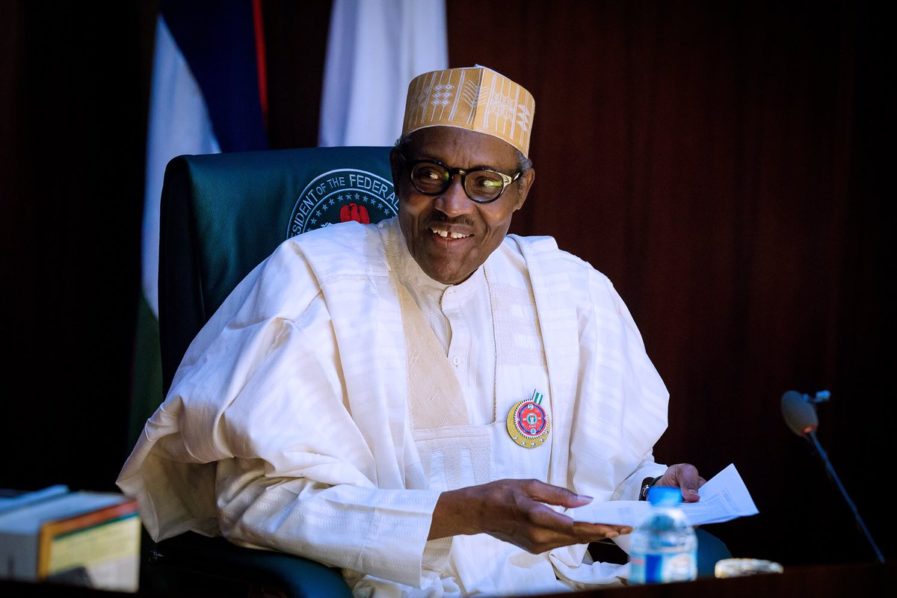
Nigerians can now heave a sigh of relief as President Muhammedu Buhari has approved the suspension of the planned removal of fuel subsidy until further notice.
The Minister of State for Petroleum Resources, Timipre Sylva, made this known on Tuesday after a closed-door meeting with Buhari at the State House, Abuja.
Speaking to State House correspondents in Abuja after the meeting, Sylva said the President had directed that the oil subsidy should be kept on hold until all stakeholders were carried along on the issue as well as ensuring that all machinery had been put in place for the removal to take effect.
He said in line with this, the Federal Government will forward an amended PIA Bill to the National Assembly, proposing 18 months extension for the implementation of the Petroleum Industry Act (PIA) that was meant to commence on February.
Buhari had on August 16, 202, signed the much awaited Petroleum Industry Bill into law while Buhari’s assent to the bill was sequel to the passage of the Bill by both the Senate and the House of Representatives in July 2021.
Meanwhile, the Nigeria Labour Congress (NLC) has announced the suspension of its planned nationwide protests, slated for Thursday, January 27 and February 2.
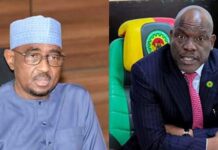
NLC President, Comrade Ayuba Wabba, who made this known on Tuesday while briefing journalists, said the decision to suspend the protest was reached at an emergency National Executive Council (NEC) meeting on Tuesday morning.
He explained that the reason for the suspension of the protest was due to the reversal of the subsidy removal by the Federal Government.
The NLC boss added that if the government had gone ahead to remove subsidy on petrol, he said the development would have terribly exacerbated the current scourge of inflation in the country, deepened poverty, heightened social tensions and push the country and millions of poor her citizens to the very precipice.
Wabba said going forward, Labour will continue to engage with the government on the very critical issues of ensuring local refining of petroleum products, creation of sustainable jobs and affordable price of petrol for Nigerian workers and people.