




* As WHO urges Africa to reconsider acceleration of vaccine uptake
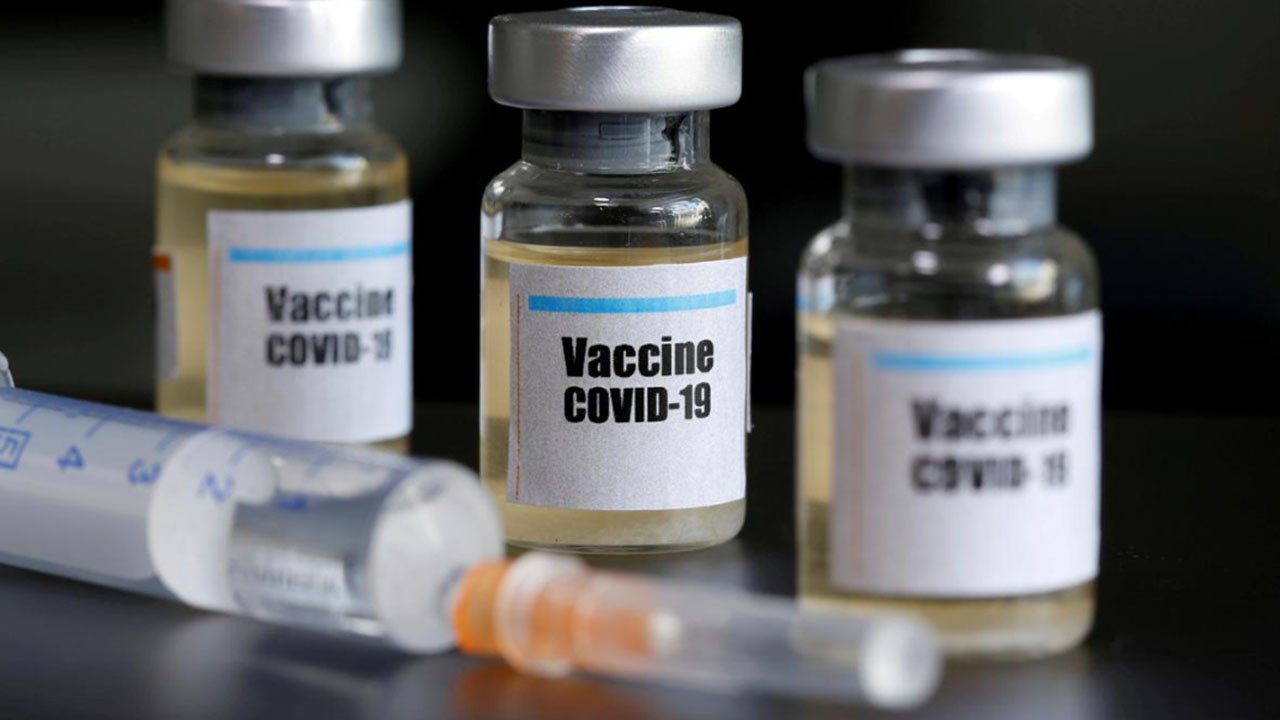
The Federal Government has launched the second phase of its SCALES mass vaccination strategy, alongside the Johnson and Johnson single dose vaccine and a mobile phone app to assist in locating vaccination sites near the seeker.
Speaking during the public launch of SCALES 2.0 Strategy in Abuja, the Minister of Health, Dr. Osagie Ehanire said COVID-19 pandemic in Nigeria has negatively impacted all aspects of life including childhood routine immunization.
SCALES is an acronym for service delivery, communication, accountability, logistics, electronic reporting, and supportive supervision for the ongoing COVID-19 vaccination.
Ehanire, who lamented that the proportion of fully vaccinated Nigerians is still very low said, SCALES strategy has proven to be quite effective in ramping up COVID-19 vaccination coverage.
He said, “It has become imperative that we launch the SCALES 2.0 Strategy, which entails the integration of COVID-19 vaccination with childhood routine immunization for eligible adults 18 years and above and children zero to two years respectively, leveraging Mass Vaccination Campaigns, Routine Immunization Fixed sessions, Outreach services and Mobile services”.
On its part, the World Health Organization (WHO) said Africa needs to engage community networks to scale up vaccination among the countries in the continent.
WHO Regional Director Africa, Dr Matshidiso Moeti, said the issue of vaccines has been very challenging in Africa and commended the launch of SCALES strategy 2.0.
Moeti said, “It’s a great pleasure for me to be able to join you here today and I commend the action the government and partners are taking to re-launch the SCALES version two.
“First I’d like to commend the government for all the efforts it has made in taking on the COVID-19 pandemic in its various facets including providing vaccination to the people of Nigeria. And to thank you for taking this step to reflect, learn from the first phase of this response.”
She also said that Africa, especially Nigeria has learnt great lessons on how to leverage decentralizing the delivery of vaccines to the citizens.
She noted that it was important for the government to build trust through working with community leaders.
“We have seen in many countries in Africa, not only in Nigeria people hesitating. There are many concerns being expressed on the international media at the local level about this.
“Engaging communities, working through community leaders, religious leaders, trusted sources of information, community networks, is going to be extremely important, she added.
The Executive Director of the National Primary Health Care Development Agency (NPHCDA), Dr Faisal Shuaib, said that the agency will continue to strengthen vaccine security and accountability through the NPHCDA Joint Task Force on Vaccine Monitoring and Accountability.
He said that partners, communities and stakeholders will continue to be engaged to ensure inclusiveness and transparency in decision making and other processes involved in COVID-19 vaccination and overall health care delivery in Nigeria.
The UNICEF Representative in Nigeria, Dr Peter Hawkins, reiterated the fact that “no one is safe until everyone is safe”. He urged everyone to continue protecting themselves for the good of all.