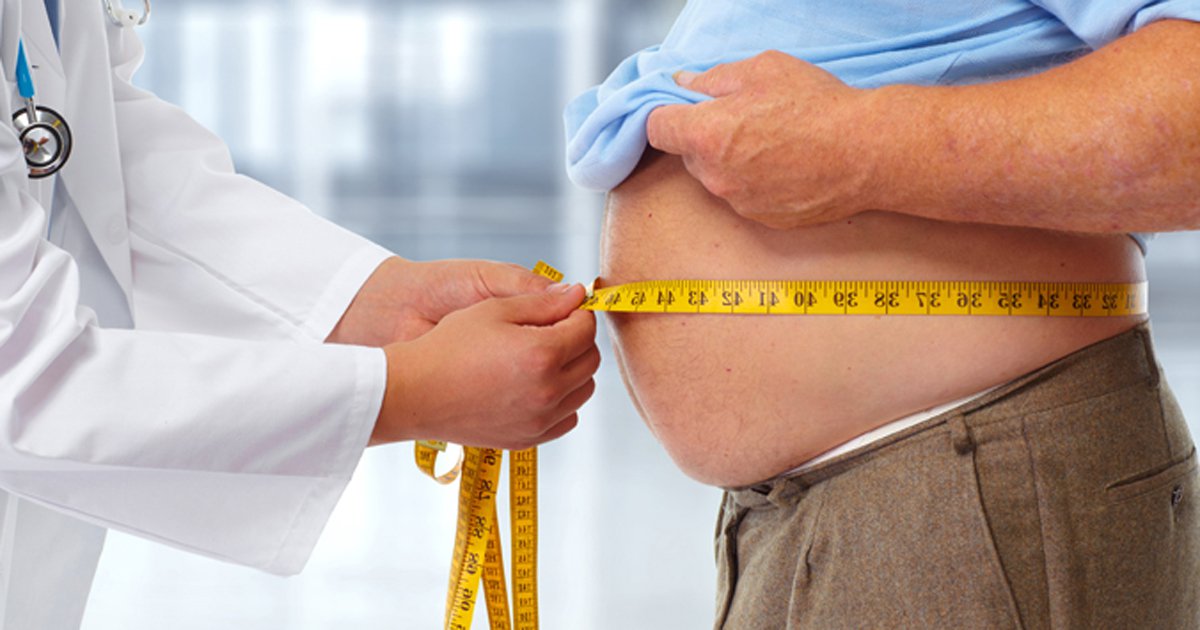





The latest projections by the World Obesity Federation have revealed that at least one billion people worldwide will be obese by 2030.
The organisation, in a new report released on World Obesity Day on Friday, revealed that the figure is twice as many as in 2010.
More than 150 global health experts and campaigners are now calling for an urgent and comprehensive action plan to get back on track to meet targets set by the World Health Organisation (WHO) to halt the rise of obesity by 2025 at 2010 levels.
In an open letter, the campaigners said, “For far too long, we have all failed on obesity, and have witnessed generations of misunderstanding, fragmentation, underinvestment in and stigmatisation of obesity and those affected by it.”.
End the stigma
In Europe alone, nearly 30 per cent of adults are expected to be obese by 2030, and one in six children aged 5 to 9, according to the latest World Obesity Atlas.
Among the countries set to be hit the hardest are Turkey, the UK and Ireland, with over a third of adults affected.
Switzerland, Finland and Norway are ranked as the best prepared to prevent and deal with obesity.
Reacting to the report, the Director of Science at the World Obesity Federation, Olivia Cavalcanti, said Europe as a whole is well equipped for the challenge.
“Thanks to its generous access to health care, but the stigma still attached to obesity can delay treatment. The roots are really deep; we’re talking about food systems and policies. We can’t really have an individual response to a systemic problem.
“There’s more awareness that obesity is actually a disease – a chronic, relapsing, multifactorial disease – and not just the result of individual choices or people being lazy.
“But there’s still so much we don’t know. We definitely need more funding and research into the topic”, Cavalcanti said.
‘Systemic problem’
For adults, the World Health Organisation WHO, defines obesity as having a body mass index (BMI) greater than or equal to 30.
Research has identified hundreds of genes associated with obesity, as well as the key role played by ultra-processed foods such as packaged snacks, microwaveable meals and fast food meals.
Global marketing rules, trade, agriculture, and the environment are all part of the “systemic problem“ that is obesity, Cavalcanti argued.
Screen addiction and the boom of remote work have also been blamed for our collective lack of exercise. But with the rise of fitness trackers, smart scales and food scanner apps, can tech help fight the obesity pandemic?
But Cavalcanti cautions: Not everyone finds it helpful to monitor their diet or their steps, and wearable tech certainly won’t fight obesity on its own.
“The roots are really deep, we’re talking about food systems and policies. We can’t really have an individual response to a systemic problem,” she said.
Time to act
Global health experts have been sounding the alarm over the rise of obesity for years, yet the tide is not turning.
“In this space, we often see that the problem seems so insurmountable and so big that it actually triggers inaction,” Cavalcanti said.
“Actually the problem is so big because this has been the approach so far, and it needs to change”.
She hopes the COVID-19 pandemic, which exposed how obese people were at much higher risk of severe disease and death, could prove a tipping point.
“We now understand that postponing action any more would really make matters worse. We need to take action now.”
Meanwhile, the WHO has estimated that by 2025, approximately 167 million people – adults and children – will become less healthy because they are overweight or obese.
Obesity is a disease impacting most body systems. It affects the heart, liver, kidneys, joints, and reproductive system. It leads to a range of noncommunicable diseases (NCDs), such as type 2 diabetes, cardiovascular disease, hypertension and stroke, various forms of cancer, as well as mental health issues. People with obesity are also three times more likely to be hospitalized for COVID-19.
The key to preventing obesity is to act early, ideally even before a baby is conceived. Good nutrition in pregnancy, followed by exclusive breastfeeding until the age of 6 months and continued breastfeeding until 2 years and beyond, is best for all infants and young children.