




A Bill For An Act To Establish The National Talent Rehabilitation and Integration Agency, And For Related Matters is now before the Senate for legislative consideration and necessary passage.
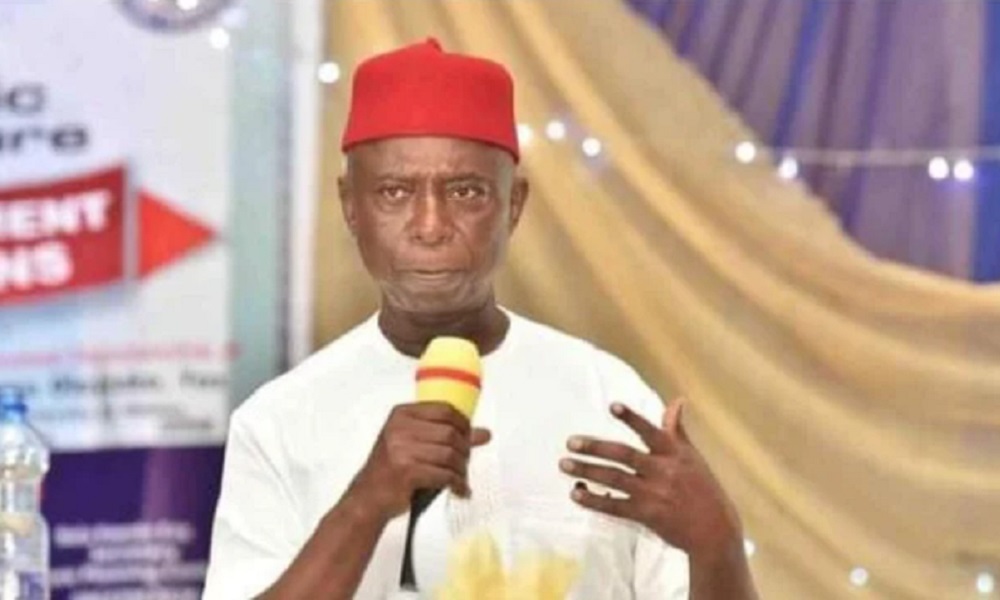
The bill is sponsored by Senator Ned Munir Nwoko (PDP, Delta North).
It is important to note that the document was sighted by TheIdeal News on Saturday night.
Senator Nwoko further disclosed that through the establishment of the National Talent Rehabilitation and Integration Agency, the bill aims to harness the talents of offenders with specialized skills, promote public safety, reduce recidivism rates, and contribute to the economic development of the country
In the Preamble to the bill, Senator Nwoko states that individuals with specialized skills and talents in technology, particularly in areas such as manufacturing weaponry, are often involved in illegal activities, posing a threat to national security and public safety.
The proposed bill also recognizes that the talents and skills of such individuals, if harnessed and integrated into the formal economy, have the potential to contribute positively to society and bolster local industries.
The proposed bill further indicates that there is a need to establish a comprehensive framework for the rehabilitation and integration of offenders with specialized technological talents, providing them with opportunities for growth, development, and lawful employment.
Senator Nwoko also states that it is the duty of the government to protect the welfare of its citizens, promote social justice, and prevent the misuse of technology for illicit purposes.
The bill reads in part, “NOW, THEREFORE , in accordance with these principles, BE IT ENACTED by the National Assembly of the Federal Republic of Nigeria as follows:
Part 1: Establishment and Purpose
1.1 There is hereby established an agency to be known as the National Talent Rehabilitation and Integration Agency (hereinafter referred to as “the Agency).
1.2 The purpose of this bill is to establish the National Talent Rehabilitation and Integration Act, which aims to provide opportunities for offenders with specialized skills and talents, particularly in technology, to reintegrate into society and contribute positively to the economy.
Part 2: Definitions
2.1 For the purposes of this Act, the following definitions shall apply:
2.1.1 “Offenders” shall refer to individuals who have been convicted of illegal activities involving technology, including but not limited to the manufacturing of weaponry.
2.1.2 “Agency” shall mean the National Talent Rehabilitation and Integration Agency established under this Act, responsible for implementing the provisions outlined herein and facilitating the rehabilitation and integration of eligible offenders.
2.1.3 “Specialized skills and talents in technology” shall encompass a wide range of technical abilities, including but not limited to software development, engineering, robotics, and other fields relevant to the manufacturing and utilization of technological products.
2.1.4 “Formal economy” shall refer to legal and regulated economic activities within the boundaries of the law, including employment opportunities, entrepreneurship, and lawful business ventures.
2.1.5 Other terms not defined herein shall have the same meaning as ascribed to them under relevant laws and regulations, unless expressly provided otherwise in this Act.
Part 3: Eligibility Criteria
3.1 Offenders eligible for participation in the rehabilitation and integration program under this Act must meet the following criteria:
3.1.1 Demonstration of specialized skills and talents in technology: Offenders must possess demonstrable expertise and proficiency in technological fields relevant to the objectives of this Act, such as software development, engineering, electronics, or other specialized areas.
3.1.2 Conviction of relevant offenses: Offenders must have been convicted of illegal activities involving technology, including but not limited to the manufacturing, distribution, or utilization of weaponry or other technological products for unlawful purposes.
3.1.3 Assessment of potential for rehabilitation: Offenders shall undergo a comprehensive assessment to evaluate their potential for rehabilitation and successful integration into the formal economy, taking into account factors such as willingness to participate in the program, readiness for change, and commitment to lawful behavior.
3.1.4 Compliance with program requirements: Offenders must agree to comply with the rules, regulations, and requirements of the rehabilitation and integration program, including participation in vocational training, mentorship, and other activities aimed at facilitating their transition to lawful employment and productive citizenship.
3.1.5 Other eligibility criteria as determined by the Agency: The National Talent Rehabilitation and Integration Agency shall have the discretion to establish additional eligibility criteria as deemed necessary to achieve the objectives of this Act and ensure the effective implementation of the rehabilitation and integration program.
3.2 The eligibility criteria outlined herein shall be applied in a fair, transparent, and non- discriminatory manner, with due consideration given to the individual circumstances of each offender and the overarching goals of promoting public safety, preventing recidivism, and fostering social inclusion.
Part 4: Rehabilitation and Integration Program
4.1 The Rehabilitation and Integration Program established under this Act shall constitute a multifaceted scheme comprising various interventions designed to facilitate the effective reintegration of eligible offenders possessing specialized skills and talents in technology into the formal economy. This program shall encompass, inter alia, the following components:
4.1.1 Vocational Training: Eligible offenders shall be afforded access to vocational training programs meticulously tailored to their technological proficiencies, with due consideration given to the exigencies of local industries. Said training initiatives may encompass rigorous skill enhancement regimens, advanced certification courses, and practical application modules.
4.1.2 Mentorship and Counseling: Program participants shall benefit from ongoing mentorship and counseling interventions provided by duly qualified professionals, mentors, and peers. These interventions shall be directed towards the resolution of personal, social, and professional challenges, the cultivation of positive behavioral change, and the instillation of a sense of accountability and responsibility.
4.1.3 Job Placement and Entrepreneurship Support: The Agency shall actively facilitate job placement opportunities for program participants within the confines of the formal economy, leveraging strategic alliances with private sector entities, governmental bodies, and other relevant stakeholders.
4.1.4 Social Reintegration and Community Engagement: Emphasis shall be placed on endeavors aimed at fostering social reintegration and community engagement amongst program participants. Such endeavors shall encompass the cultivation of positive familial, social, and communal relationships, active participation in civic and social activities, and the amelioration of societal stigmas.
4.2 The Rehabilitation and Integration Program shall be implemented in accordance with legal principles of due process, equal protection under the law, and adherence to relevant statutes and regulations governing the rehabilitation of offenders. It shall prioritize evidence-based practices, individualized treatment planning, and the promotion of public safety and community well-being.”
Regarding the composition of the Board of the agency, the bill proposes as follows:
The Board of the National Talent Rehabilitation and Integration Agency shall be composed of representatives from various governmental entities and relevant stakeholders, including but not limited to:
Ministry of Science and Technology: A representative appointed by the Minister of Science and Technology, who shall serve as a liaison between the Agency and the Ministry, providing technical expertise and guidance on matters pertaining to technology and innovation.
National Security Agency (NSA): A representative designated by the Director of the National Security Agency, tasked with ensuring that the rehabilitation and integration efforts align with national security objectives and do not compromise sensitive information or operations.
Department of State Services (DSS): A representative nominated by the Director of the Department of State Services, responsible for safeguarding the interests of national security and intelligence gathering while supporting the rehabilitation and reintegration endeavors.
Nigeria Police Force: A representative appointed by the Inspector General of Police, who shall contribute law enforcement expertise and insights into crime prevention strategies to inform the Agency’s initiatives.
Nigerian Navy, Nigerian Army, Nigerian Air Force: Representatives from each branch of the Nigerian Armed Forces, appointed by their respective Chiefs of Staff, to provide military perspective and expertise on matters of national defense and security.
Other Relevant Stakeholders: The Board may also include representatives from academia, industry associations, non-governmental organizations, and community groups, as deemed necessary by the Agency for comprehensive and inclusive decision-making.
On the composition and functions of the Board, the bill provides as follows:
The Board shall convene at regular intervals to deliberate on policy matters, review program performance, and provide strategic direction to the Agency. Decisions of the Board shall be made by consensus or, failing which, by majority vote, with the Chairman having a casting vote in the event of a tie.
Members of the Board shall serve in their individual capacities and shall not be subject to undue influence or interference in the discharge of their duties. They shall act in the best interests of the Agency and the public.
Part 6: Incentives and Benefits
The Agency shall provide a range of incentives and benefits to eligible offenders participating in the rehabilitation and integration program, including but not limited to:
Financial Assistance: Program participants may receive financial support to cover expenses related to vocational training, educational courses, certification programs, and other approved purposes.
Access to Resources: Eligible offenders shall have access to resources such as computer laboratories, libraries, specialized equipment, and software tools needed to develop and enhance their technological skills.
Recognition and Awards: The Agency shall establish mechanisms to recognize and reward program participants who demonstrate exceptional progress, achievement, and contribution.
The incentives and benefits provided under this Act shall be administered in a fair, transparent, and non-discriminatory manner, with due consideration given to the individual needs and circumstances of program participants.
Regarding the issue of Monitoring and Evaluation, the bill provides as follows:
The National Talent Rehabilitation and Integration Agency shall establish robust mechanisms for the ongoing monitoring and evaluation of the rehabilitation and integration program, aimed at assessing its effectiveness, identifying areas for improvement, and ensuring accountability and transparency in program implementation. This shall include:
The Agency shall define key performance indicators and outcome measures to evaluate the impact of the rehabilitation and integration program on participants’ outcomes, including employment rates, recidivism rates, income levels, and social integration indicators. Data shall be collected regularly and systematically to track progress over time and inform decision- making.
Regular evaluations shall be conducted to assess the overall effectiveness and efficiency of the rehabilitation and integration program, including its adherence to program objectives, alignment with best practices, and responsiveness to the needs of program participants and stakeholders. These evaluations shall be conducted by independent evaluators or external experts to ensure objectivity and impartiality.
The Agency shall solicit feedback from program participants, employers, community members, and other stakeholders through surveys, focus groups, and consultation meetings to gather insights into their experiences, perceptions, and suggestions for program improvement. This feedback shall be used to inform program design, implementation, and decision-making processes.
The Agency shall establish performance management systems to monitor the performance of program staff, service providers, and partner organizations involved in program delivery. Performance targets and benchmarks shall be set to track progress towards program goals and hold stakeholders accountable for achieving desired outcomes.
Based on monitoring and evaluation findings, the Agency shall identify areas for improvement and implement corrective actions to enhance program effectiveness, efficiency, and sustainability. This may involve refining program strategies, adjusting service delivery models, strengthening partnerships, or reallocating resources to address emerging needs and challenges.
The bill also stipulates that the monitoring and evaluation activities shall be conducted in accordance with established standards and methodologies for program evaluation, ensuring rigor, validity, and reliability in data collection and analysis. Evaluation findings shall be communicated transparently to stakeholders and the public through regular reports, presentations, and dissemination activities to promote accountability and learning.
On the issue of Funding and Budgeting and Funding Mechanisms, the bill provides as follows:
Funds shall be allocated from the national budget to support the operations and activities of the National Talent Rehabilitation and Integration Agency. This allocation occurs annually during the budget planning and approval cycles by National Assembly.
Partnerships shall be established with private sector entities to access funding, resources, and expertise. Agreements are made with private companies for financial support, in-kind contributions, or sponsorship of specific programs. The Partnership Development Unit leads these efforts, in consultation with legal and finance departments.
On Budgeting Processes, the bill provides as follows:
Budgets shall be developed for specific programs and initiatives within the Agency, estimating costs for personnel, training, equipment, and other expenses based on program objectives. Program managers collaborate with the finance department to develop and justify program budgets annually and periodically for program revisions.
Budgetary resources shall be allocated to different programs, departments, and activities within the Agency based on priorities, strategic objectives, and resource availability.
For Legal Protections and Safeguards, the bill goes further to state that Eligible offenders participating in the rehabilitation and integration program shall be afforded protection against discrimination based on their prior criminal records or engagement in the program.
It also states that the Agency shall uphold the confidentiality and privacy of program participants’ personal information and rehabilitation records, saying that Access to said information shall be restricted exclusively to authorized personnel engaged in program delivery and oversight, in full compliance with pertinent data protection statutes and regulations.
The bill also states that Program participants shall be entitled to legal representation and assistance to safeguard their legal rights and interests throughout the rehabilitation and integration process.
According to the bill, Any acts of retaliation or reprisal against participants for their involvement in the program shall be strictly proscribed and subject to appropriate disciplinary measures.
It further states the Agency shall institute a formal grievance mechanism to address complaints, grievances, or concerns raised by program participants regarding their treatment, rights, or program implementation, saying that Grievances shall be expeditiously investigated and adjudicated in accordance with principles of procedural fairness, transparency, and impartiality.
Regarding the Miscellaneous Provisions, the bill states that the Agency shall retain the authority to adapt and modify program components and procedures as necessary to respond to changing circumstances, emerging needs, or lessons learned from program implementation.
10.2 The Agency shall have the authority to promulgate rules and regulations necessary for the implementation of this Act, subject to approval by the appropriate government authorities.
On Citation, the bill states that, “This Act may be cited as the National Talent Rehabilitation and Integration Act and shall come into force upon its passage into law.
Regarding Explanatory Memorandum, the bill provides as follows:
The bill for an act to establish the National Talent Rehabilitation and Integration Act seeks to address the challenge of skilled individuals engaging in illegal activities, particularly in technology-related fields, by providing a structured framework for their rehabilitation and integration into lawful employment and entrepreneurship.
Through the establishment of the National Talent Rehabilitation and Integration Agency, the bill aims to harness the talents of offenders with specialized skills, promote public safety, reduce recidivism rates, and contribute to the economic development of the nation.