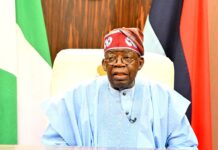


President Bola Tinubu has disclosed that the introduction of crude oil sales in Naira is a strategic move to enhance the operational efficiency of local refineries, reduce foreign exchange risks, and lower transaction costs.
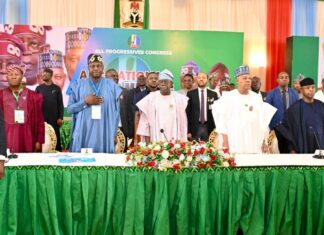
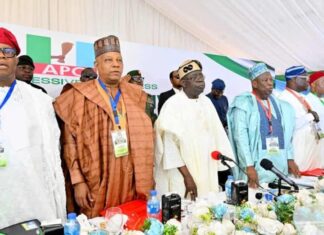
Tinubu stated this on Tuesday while declaring open the 8th edition of the Nigeria International Energy Summit (NIES 2025) in Abuja. The summit, with a theme titled: “Bridging Continents: Connecting Investors Worldwide with Africa’s Energy Potential”, aims to attract global investors to Africa’s energy sector.
Represented by the Minister of State for Finance, Dr. Doris Uzoka-Anite, Tinubu emphasized that the policy would strengthen the domestic market and improve the affordability of petroleum products.
He said, “To ensure that local refineries remain competitive and lower the retail price of petroleum products for Nigerians, we introduced the sale of crude oil in Naira. By denominating crude sales in local currency, we are supporting the Naira and creating a more resilient economy.”
The President further highlighted that the initiative would cushion the effects of fuel subsidy removal, enhance economic growth, and improve citizens’ standard of living.
Tinubu noted that Nigeria’s oil and gas sector has undergone a renaissance in recent years, marked by transformative policies and significant milestones.
He reaffirmed his administration’s commitment to sustaining reforms that have liberalized the economy and positioned Nigeria as a prime investment destination.
The President also cited key achievements such as the removal of fuel subsidies and foreign exchange liberalization, which have attracted investments and stimulated growth.
He added that a landmark achievement was Nigeria’s selection as the host country for the African Energy Bank headquarters, solidifying the country’s leadership in Africa’s energy sector.
“By securing this prestigious institution, we have positioned Nigeria as a hub for energy financing, fostering investment, innovation, and job creation,” Tinubu stated.
He also highlighted the issuance of executive orders that have revitalized investment in the oil and gas sector, leading to increased crude oil production through improved security measures, development initiatives, and investment incentives.
The President reiterated his administration’s commitment to completing key gas infrastructure projects, including the Ajaokuta-Kaduna-Kano (AKK) Gas Pipeline, which is expected to supply clean energy to industries and households.
He also emphasized the role of the Presidential Compressed Natural Gas Initiative (P-CNGI) in transforming the transportation sector by reducing reliance on petrol.
Additionally, Tinubu disclosed ongoing efforts to develop a hydrogen policy aimed at attracting investors and integrating hydrogen into Nigeria’s energy mix.
In a bid to create a more business-friendly environment, the government is implementing comprehensive reforms in fiscal and tax policies.
Tinubu stated that simplifying tax regulations, offering incentives, and ensuring transparency would remove investment barriers and stimulate economic development.
He assured Nigerians that with the Port Harcourt and Warri refineries coming on stream, the country’s refining capacity would improve, leading to cheaper petroleum products.
“We have seen increasing investment announcements and innovative ways to support the oil and gas sector, and we remain open to more exciting developments,” he added.