




Defining images of the first Latin American to lead the Catholic Church
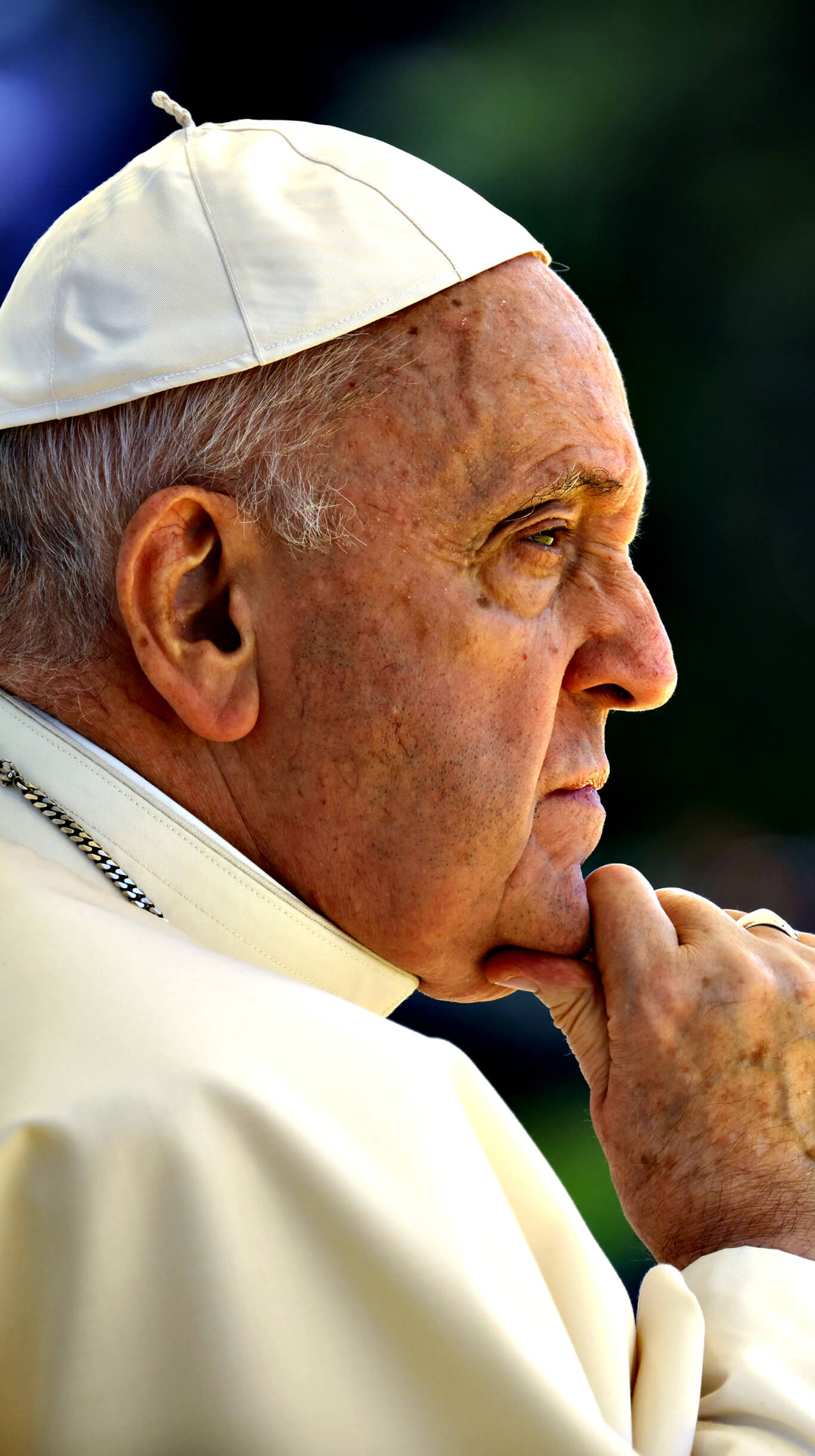
Pope Francis has died after leading the Roman Catholic Church for more than a decade.
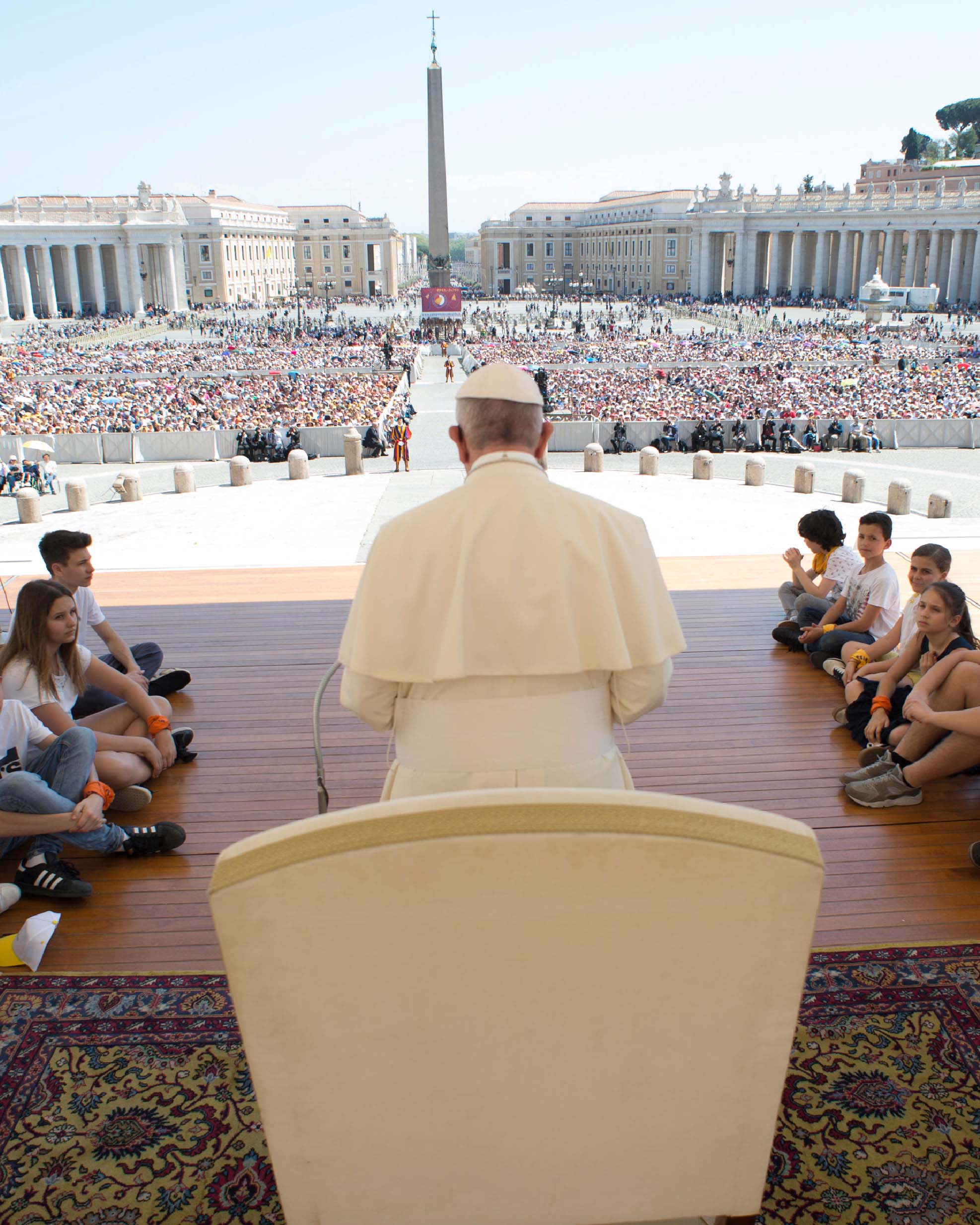
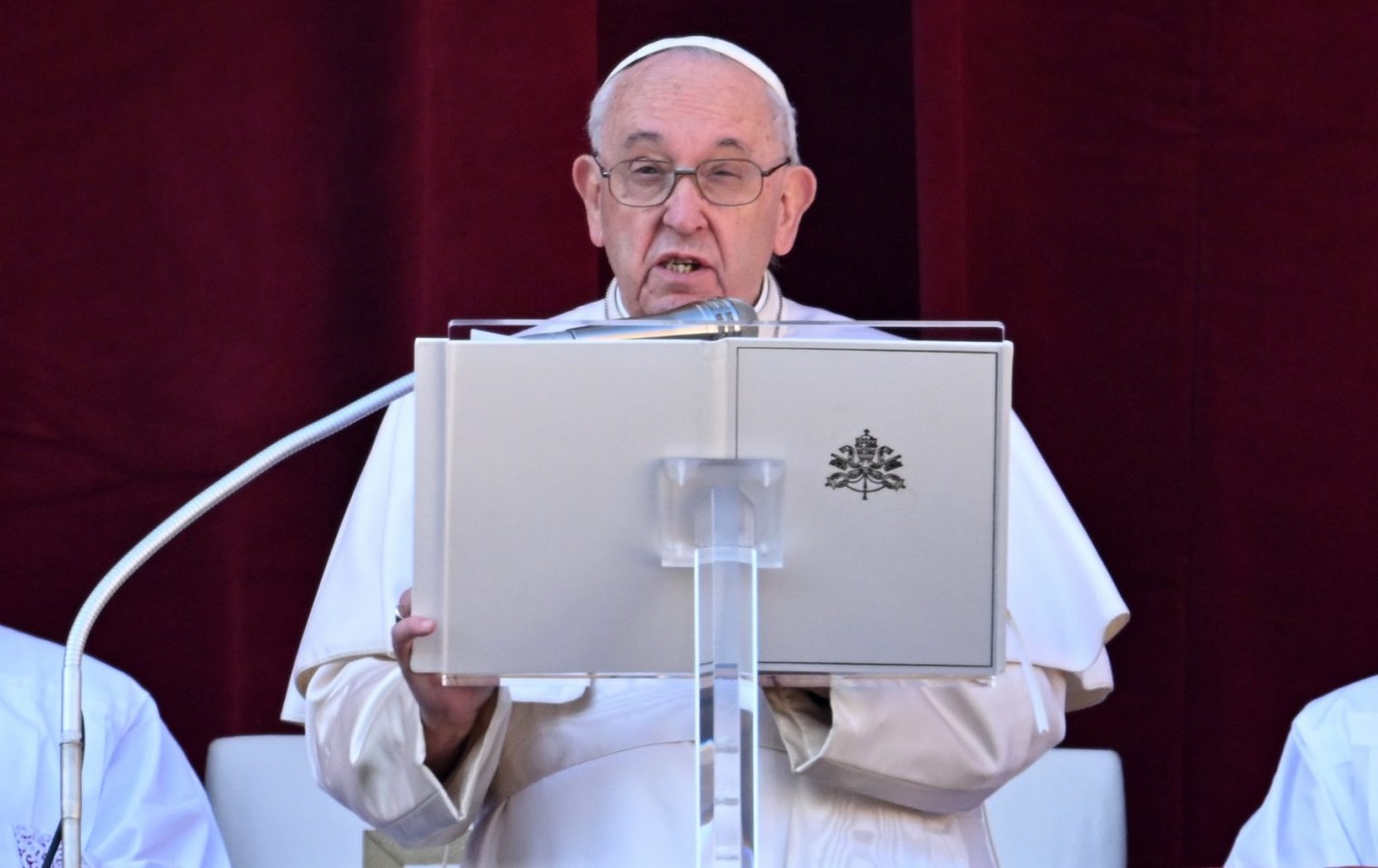
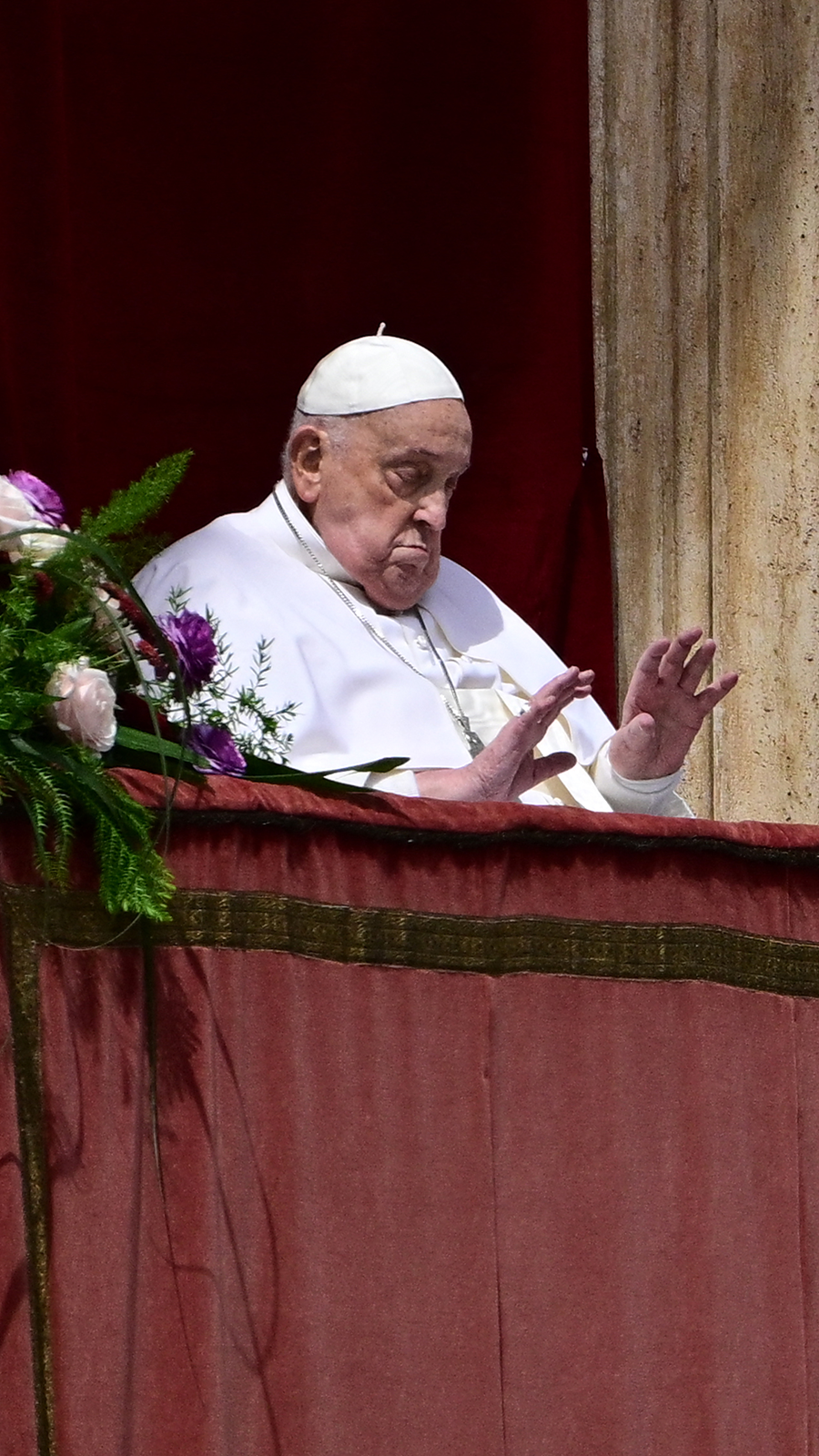
His last public appearance was on the balcony of the Vatican’s St Peter’s Basilica on Sunday to wish “Happy Easter” to thousands of worshippers.
The Pope, in a wheelchair, waved to cheering crowds in St Peter’s Square below.
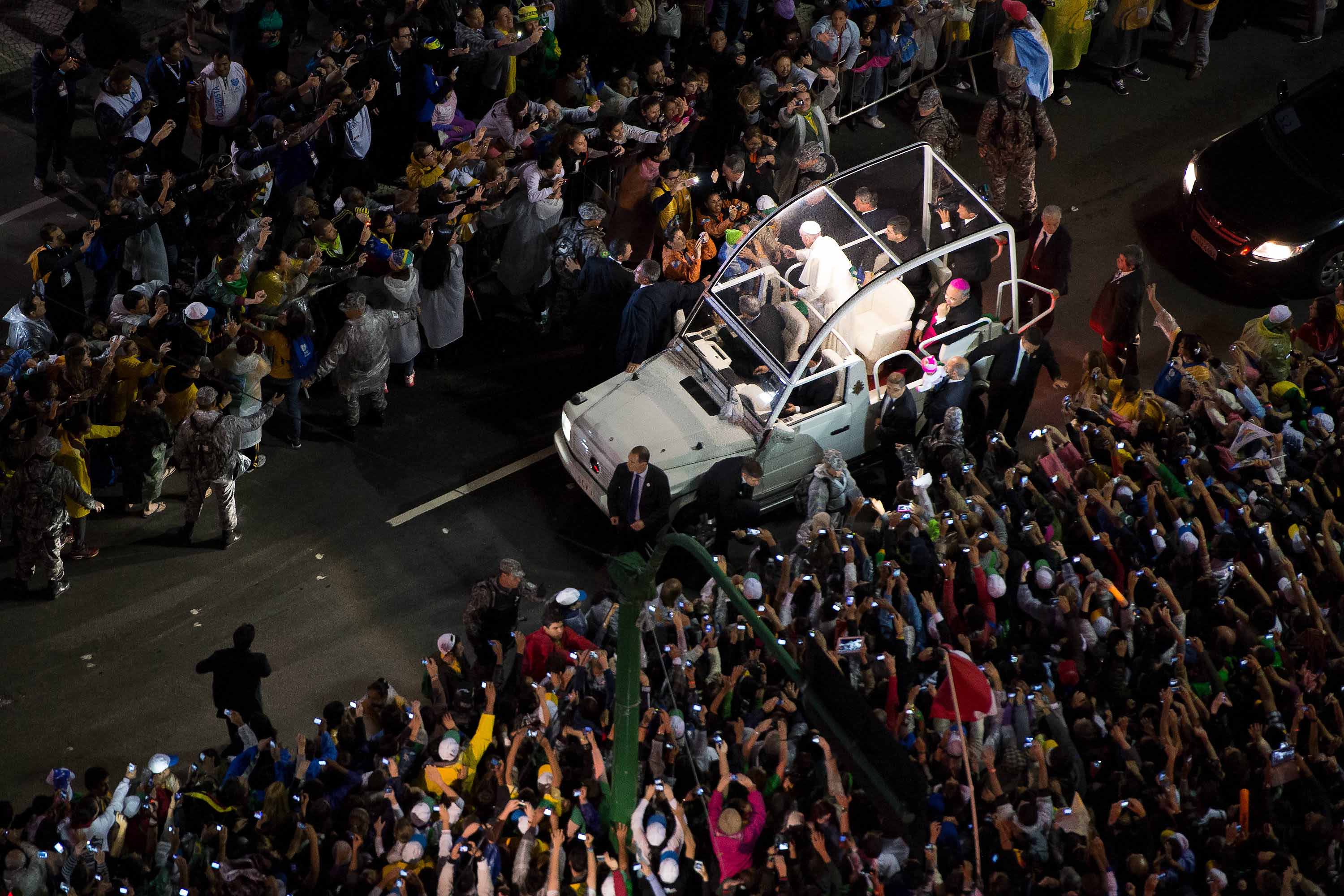
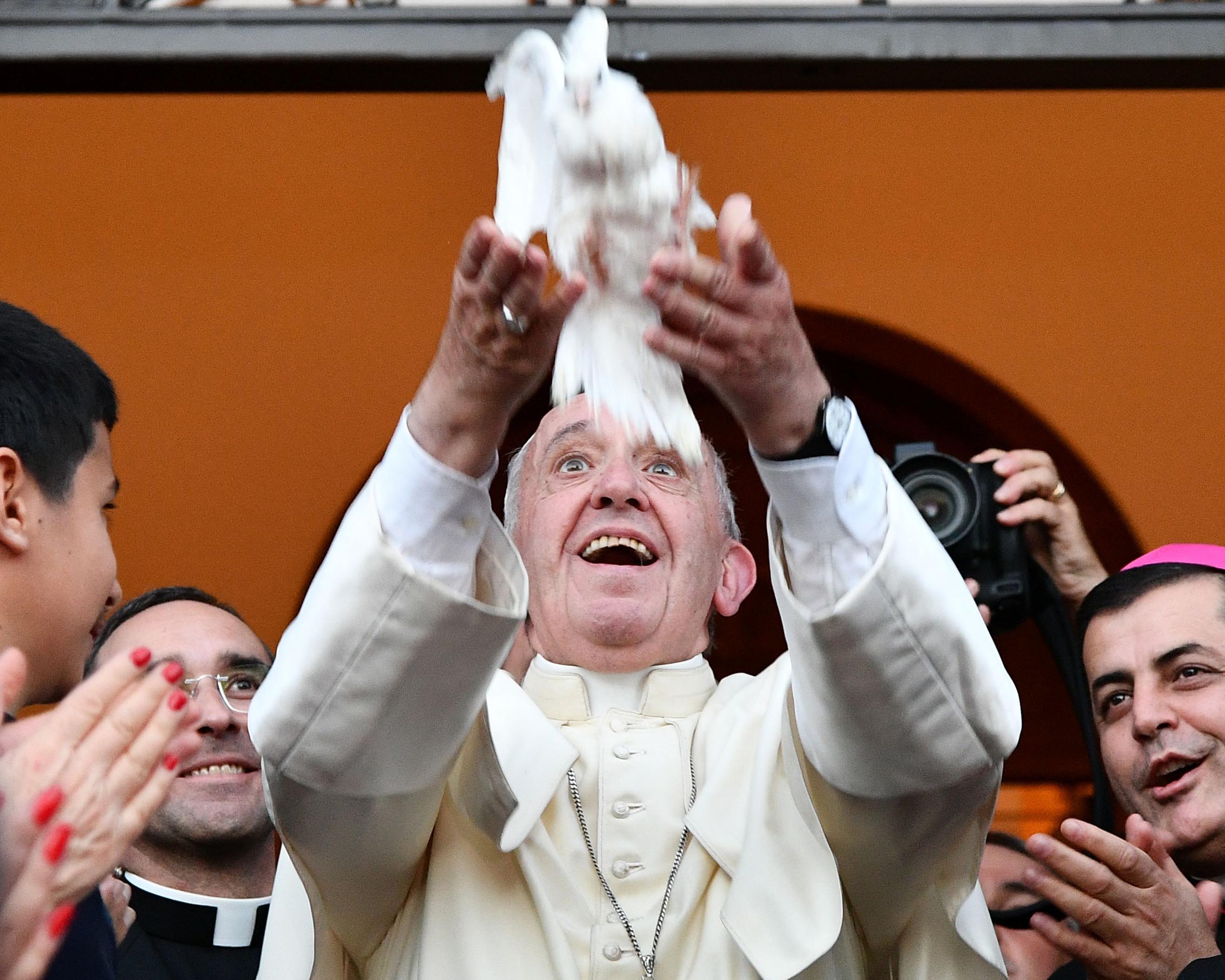
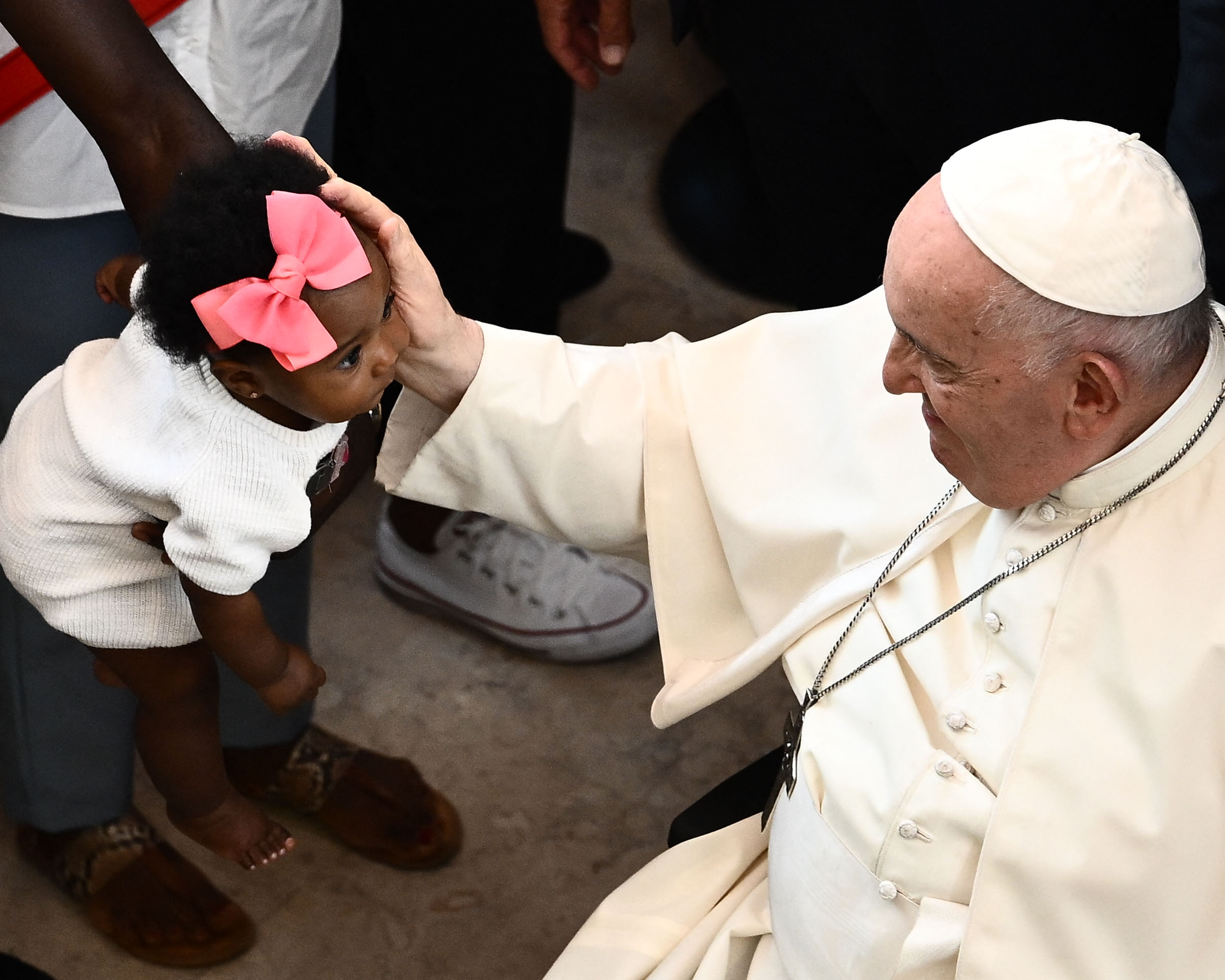
A no-frills Pope who was determined to make the Church more inclusive – here are some of the most striking images from the 88-year-old’s life and papacy.
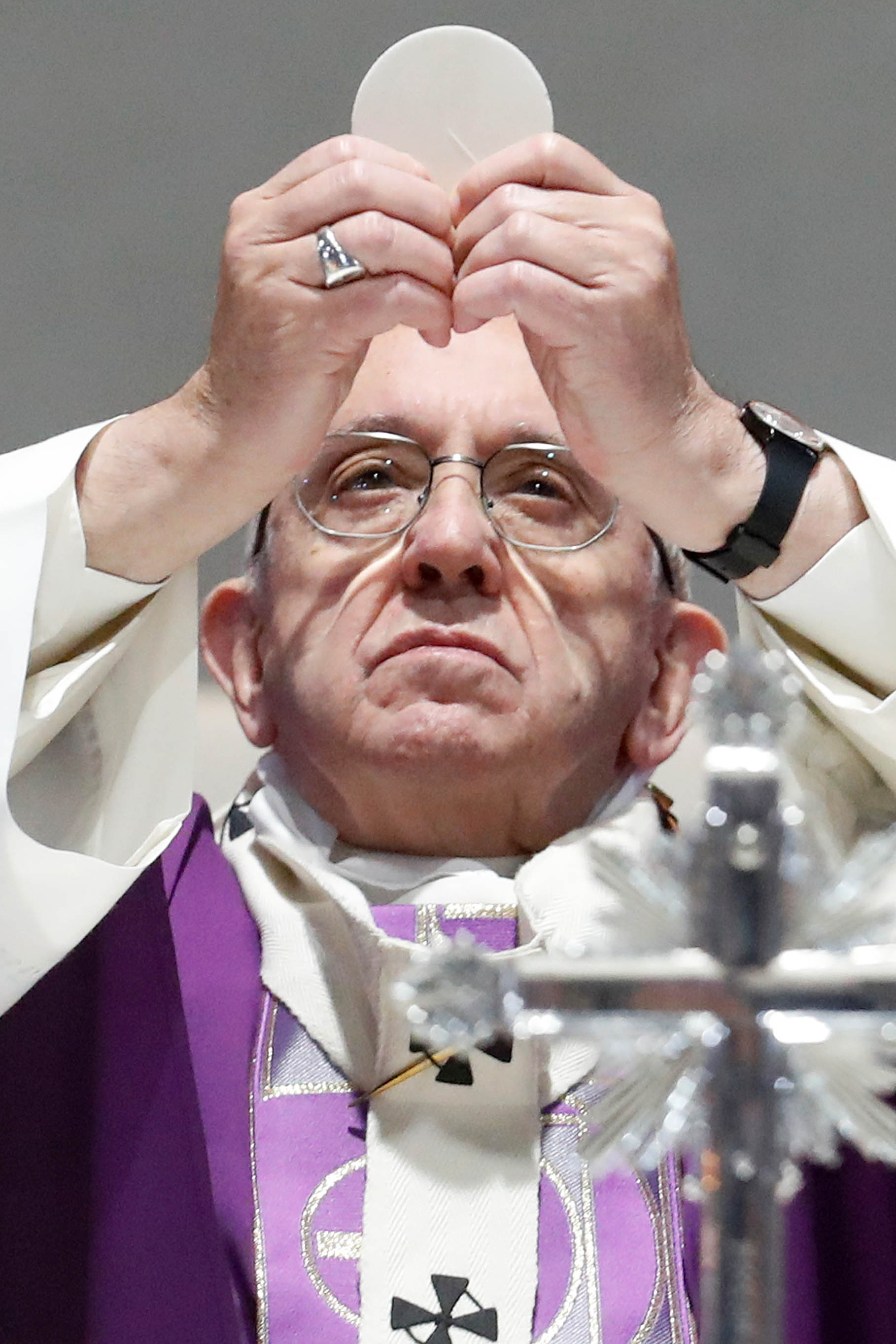
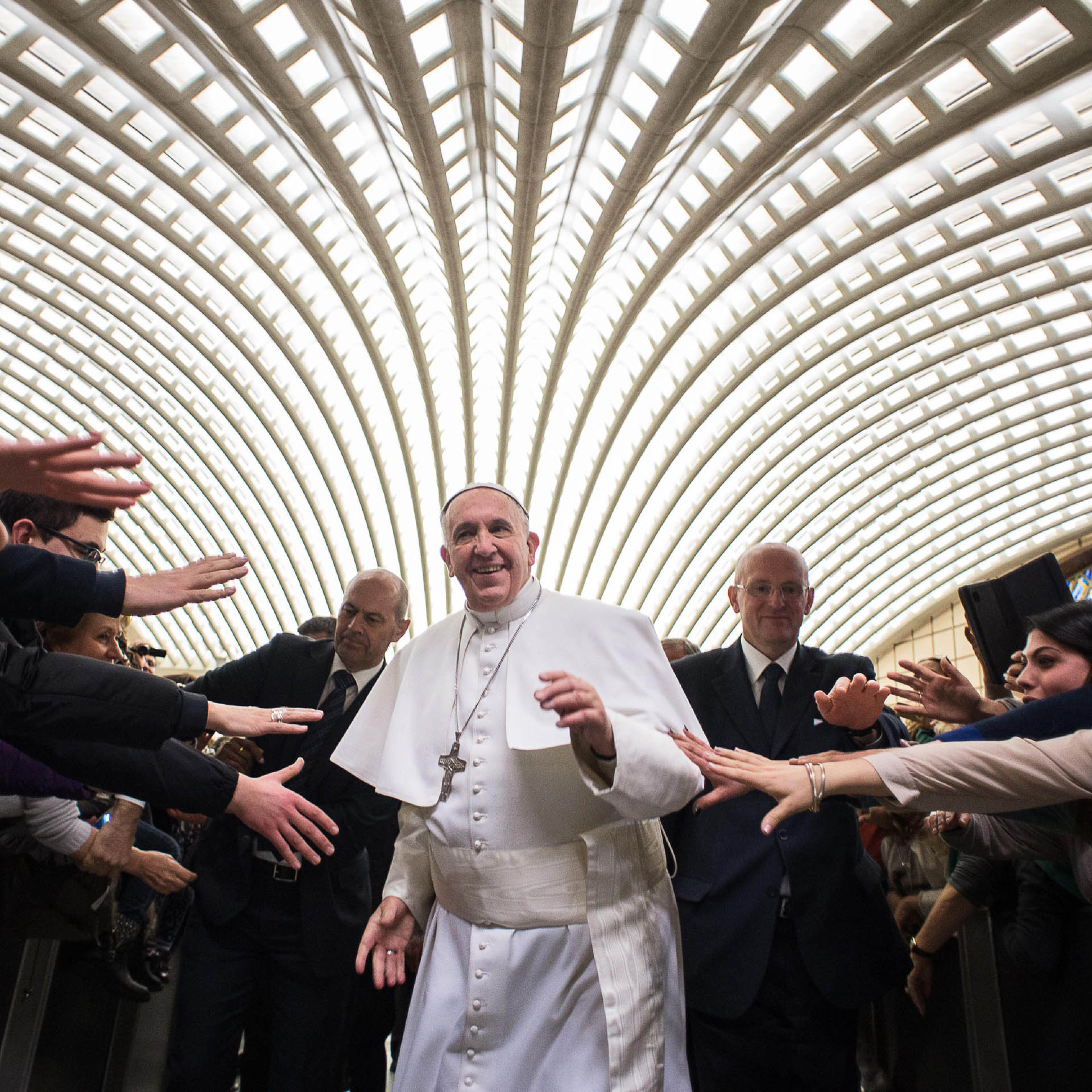
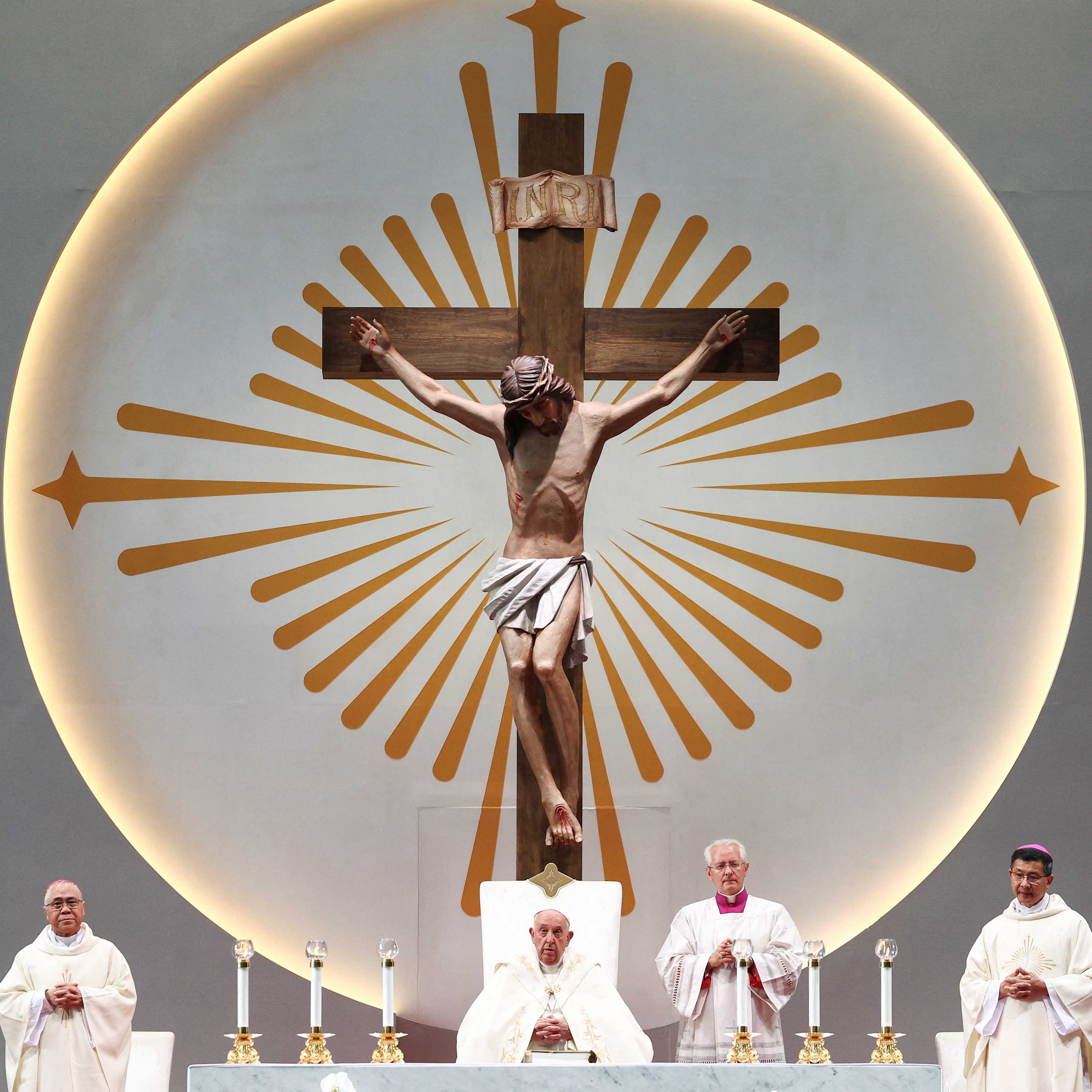
Francis was already in his seventies when he became Pope in 2013 – replacing the retiring Benedict XVI.
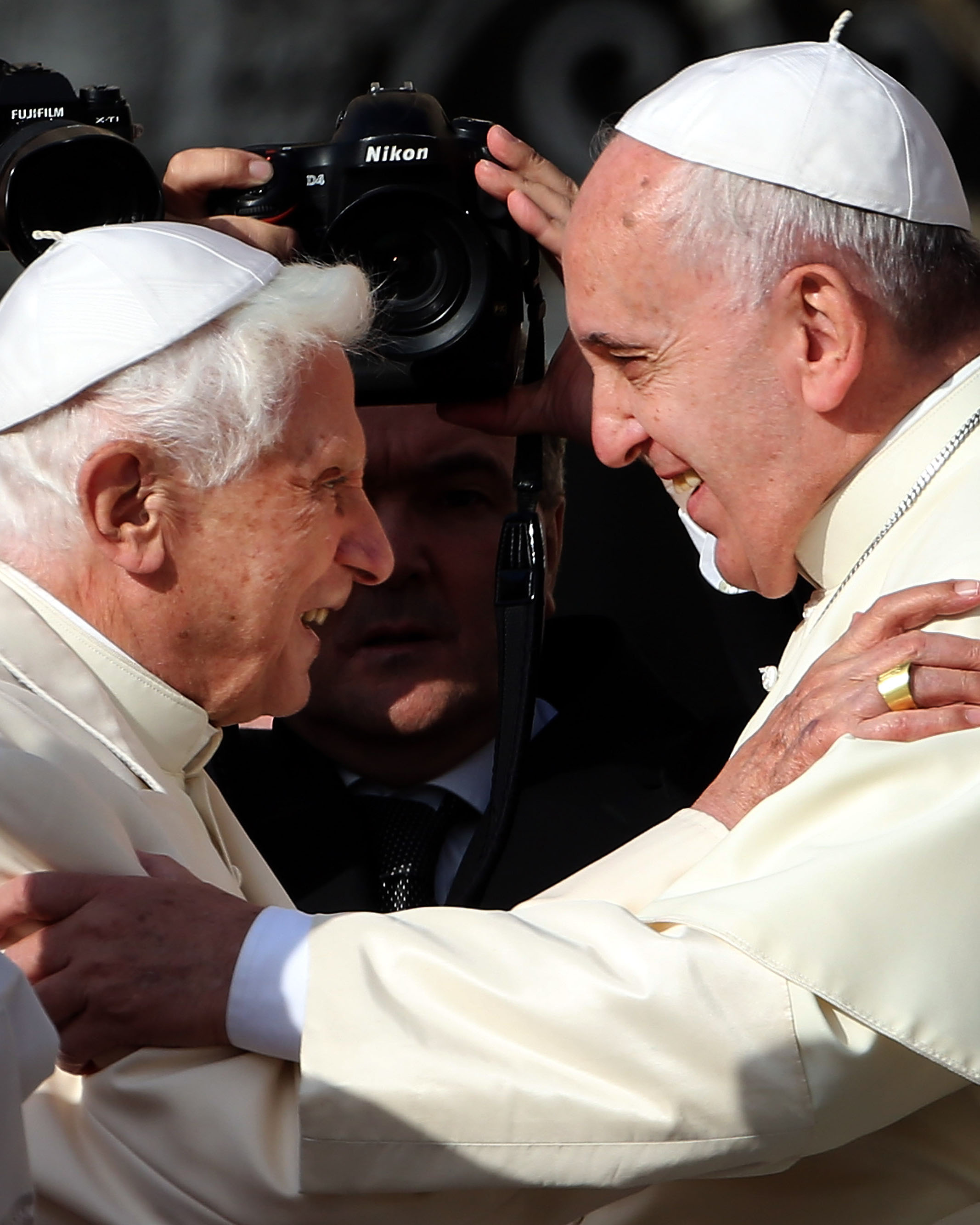
Francis’s socially liberal and minimalistic beliefs contrasted with Benedict’s more traditional views, but Francis said his predecessor “never interfered” and the two were often seen together at the Vatican Gardens.
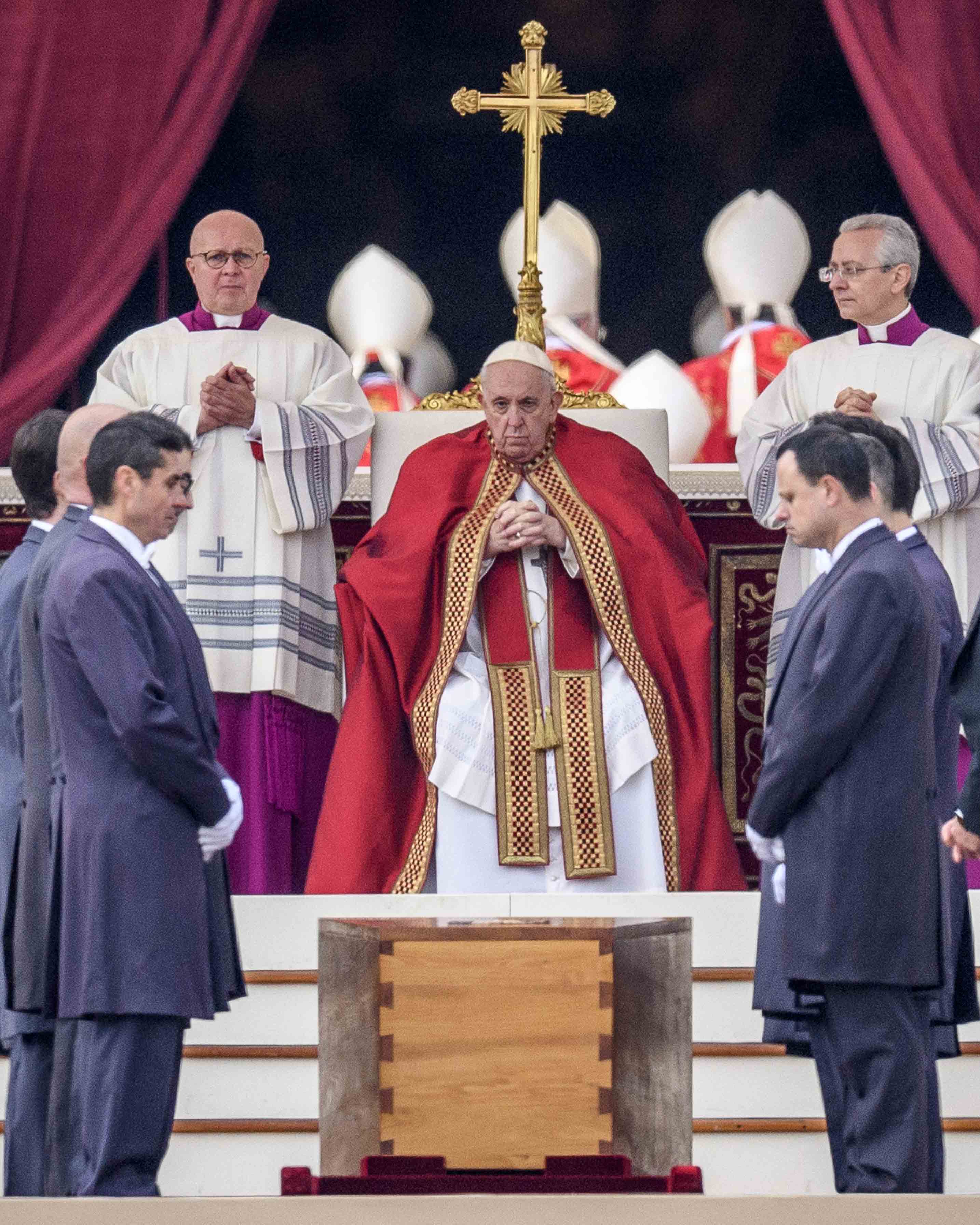
In 2022, Francis became the first Pope for more than a century to bury his predecessor – when Benedict died at the age of 95.
Francis’s papacy broke new ground in many other ways – he was the first Jesuit and the first Latin American pontiff.
Humble beginnings
He was born Jorge Mario Bergoglio in Buenos Aires, Argentina, on 17 December 1936 – the eldest of five children. His parents had fled their native Italy to escape fascism.
Growing up in a working-class family, his early life was marked by simplicity and a commitment to his faith.
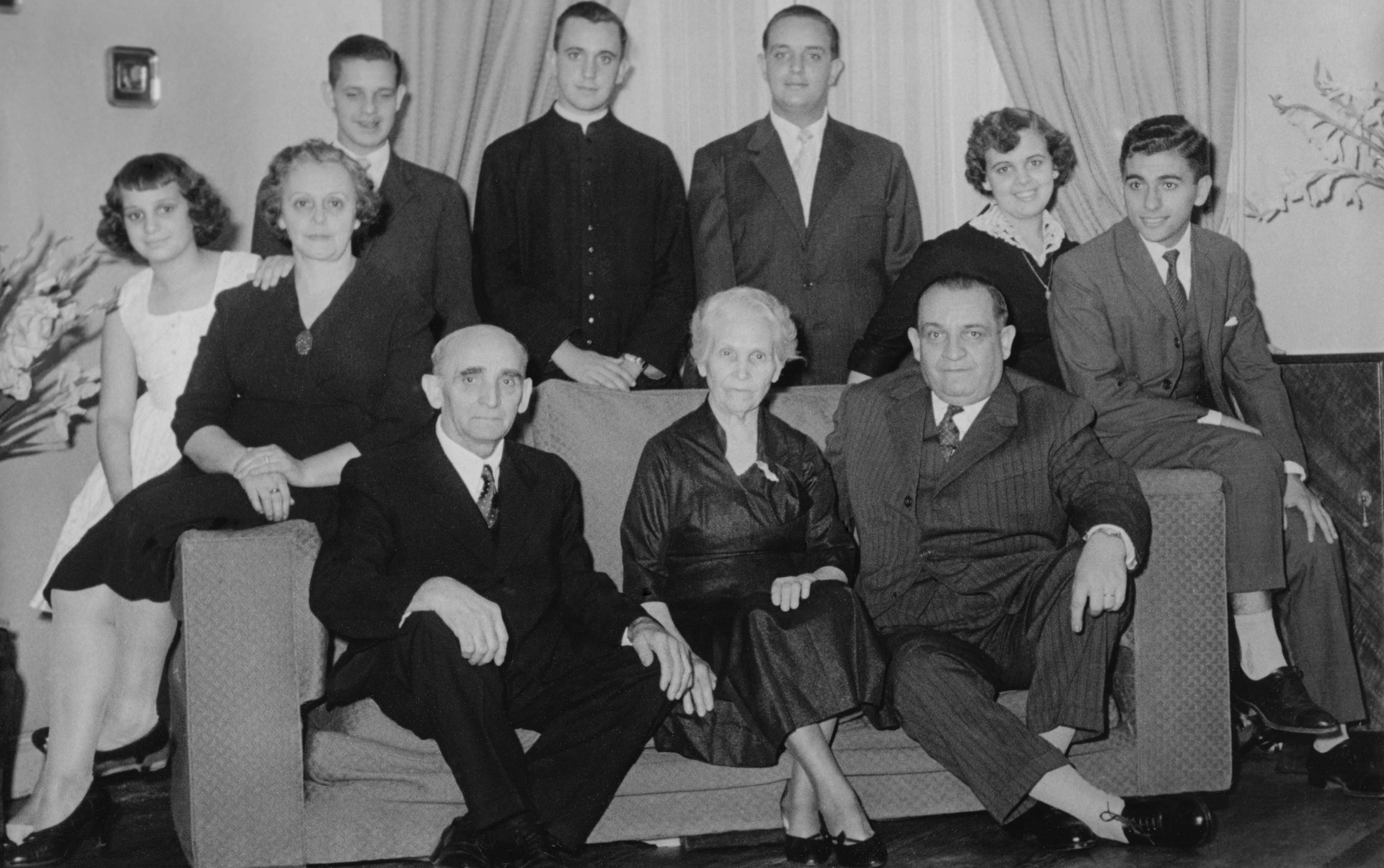
As a young man Bergoglio worked as a nightclub bouncer and floor sweeper, and supported his local football club, San Lorenzo de Almagro, a passion he maintained long after he became a priest in 1969.
The young clergyman won swift promotion, in 1973 becoming the de facto leader of Argentina’s Jesuits, a highly influential Catholic order of missionaries and educators.
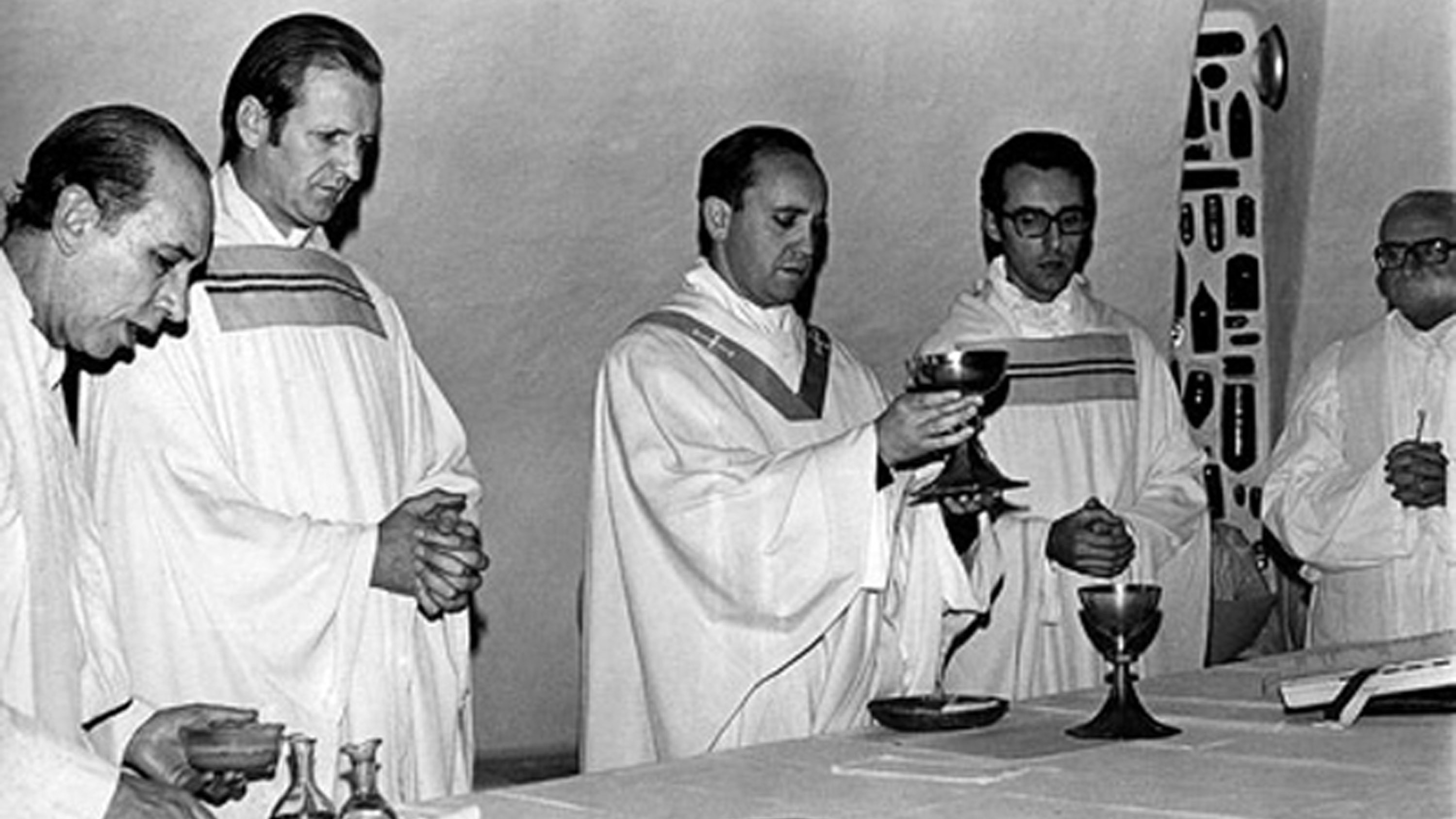
Bergoglio’s leadership was defined by his dedication to social justice and support for the marginalised.
But he was accused by some of not doing enough to oppose the generals of the brutal military dictatorship that governed Argentina between 1976 and 1983 – especially after the military kidnapped two priests.
Bergoglio explained that speaking out was difficult in such dangerous times and the Vatican has denied he was guilty of any wrongdoing during the period.
Rise to the top
In 1998, Bergoglio was appointed Archbishop of Buenos Aires, where he gained a reputation for his pastoral care, humility and outreach to the poor. Pope John Paul II made him a cardinal in 2001.
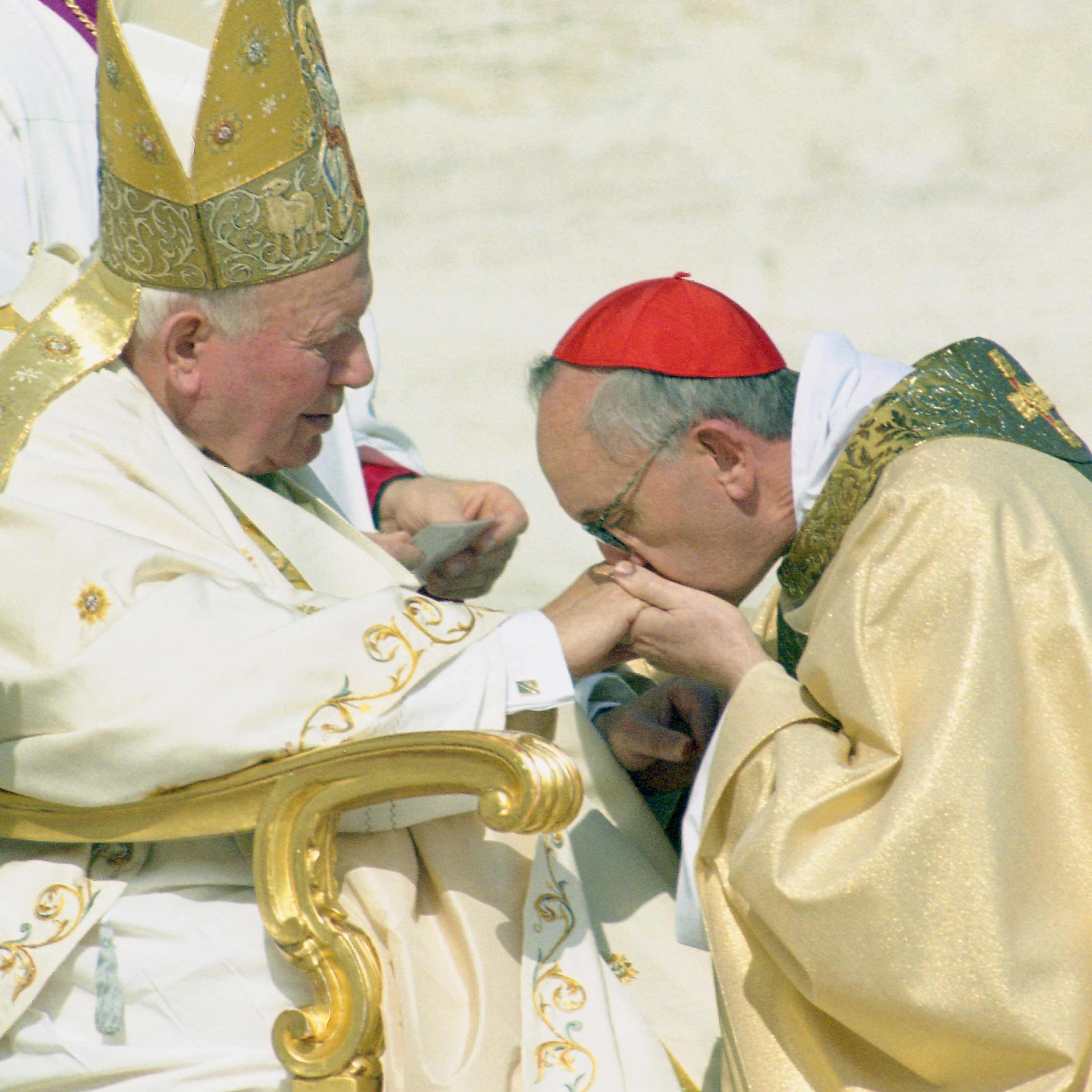
He refused many of the trappings of his office – often choosing to wear the black gown of a priest rather than the red and purple of his new position, travelling by public transport and engaging directly with the community.
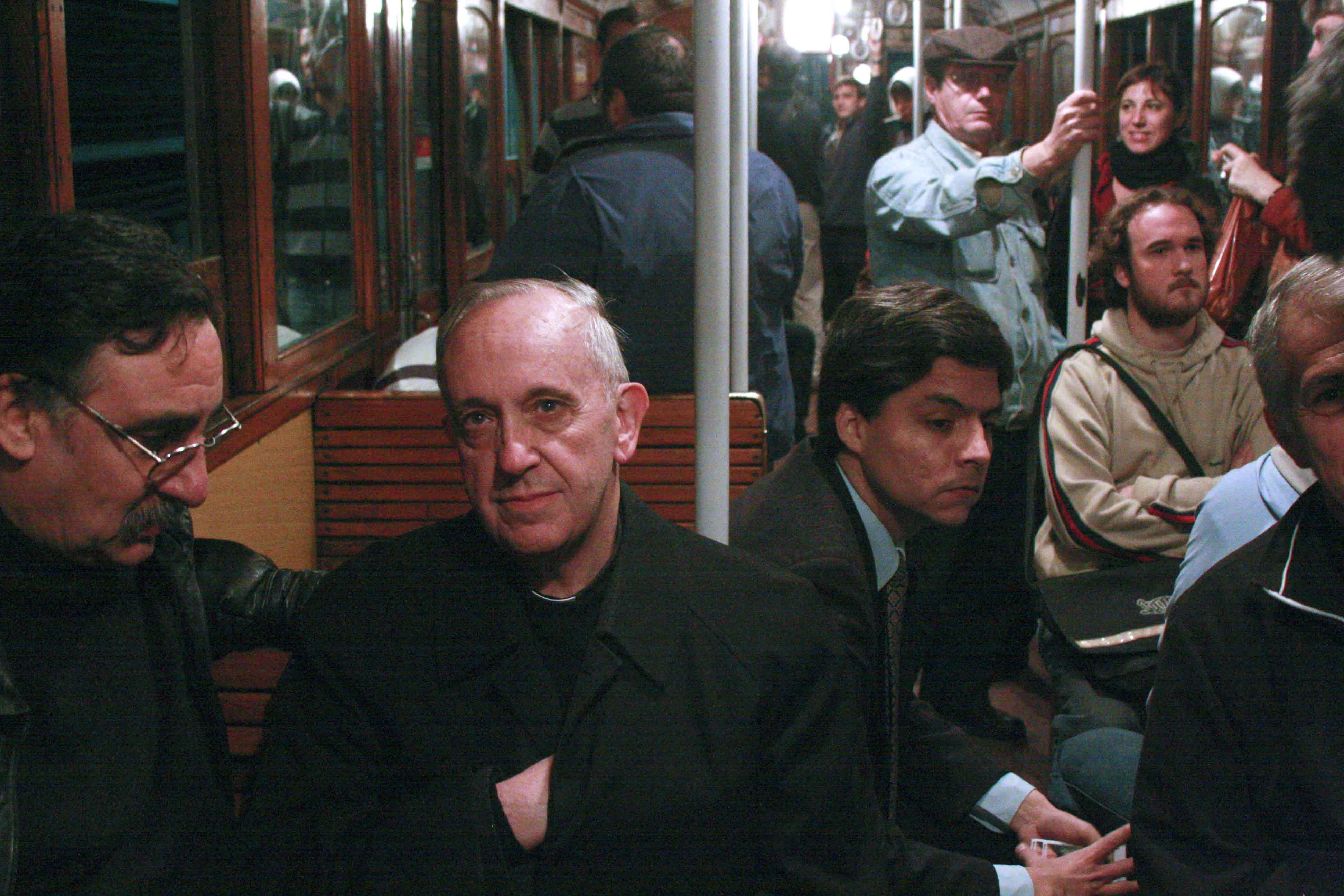
And by the 2005 conclave that followed Pope John Paul II’s death he was seen as a contender for the papacy – although he would not become Pope until eight years later.
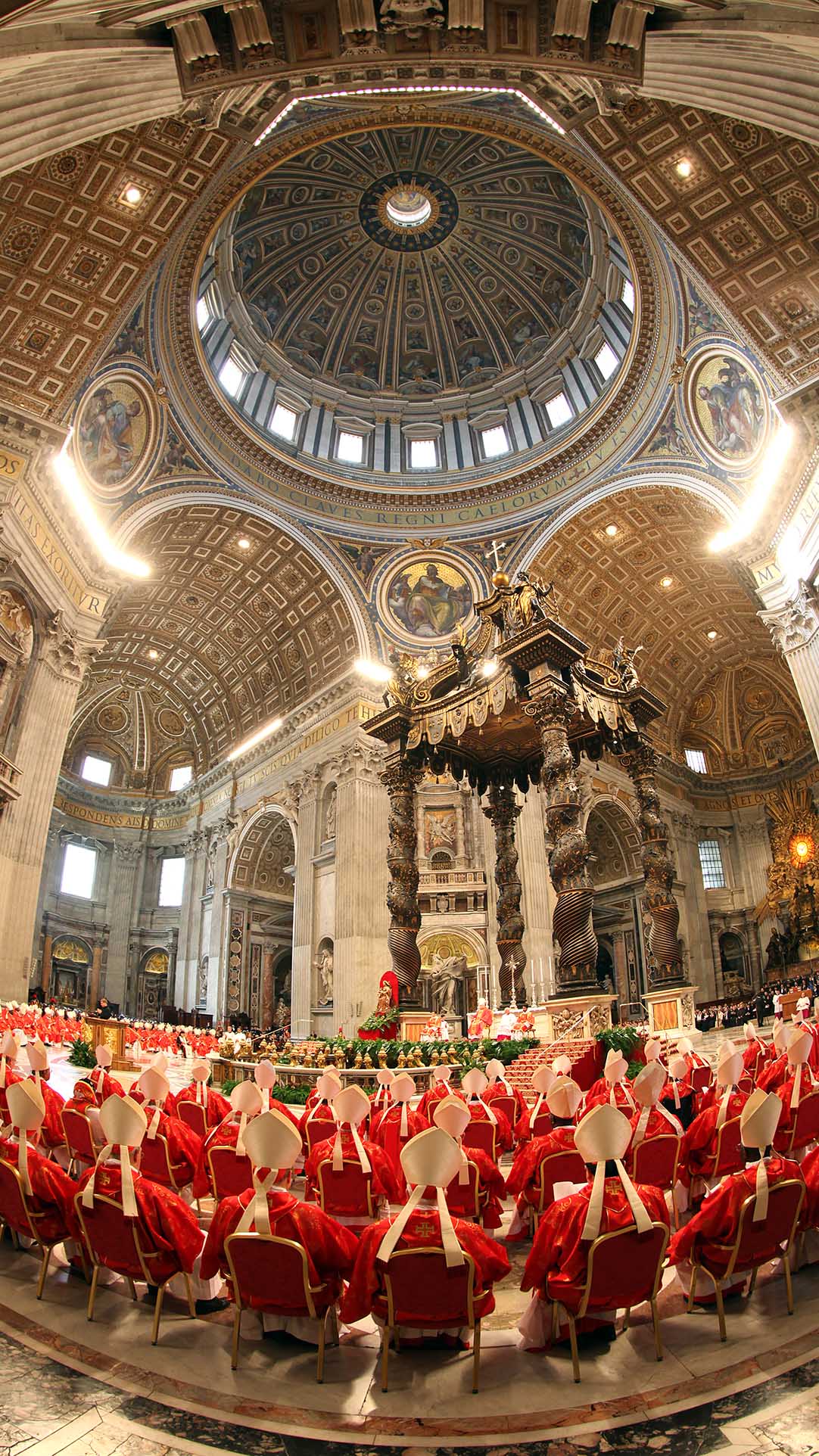
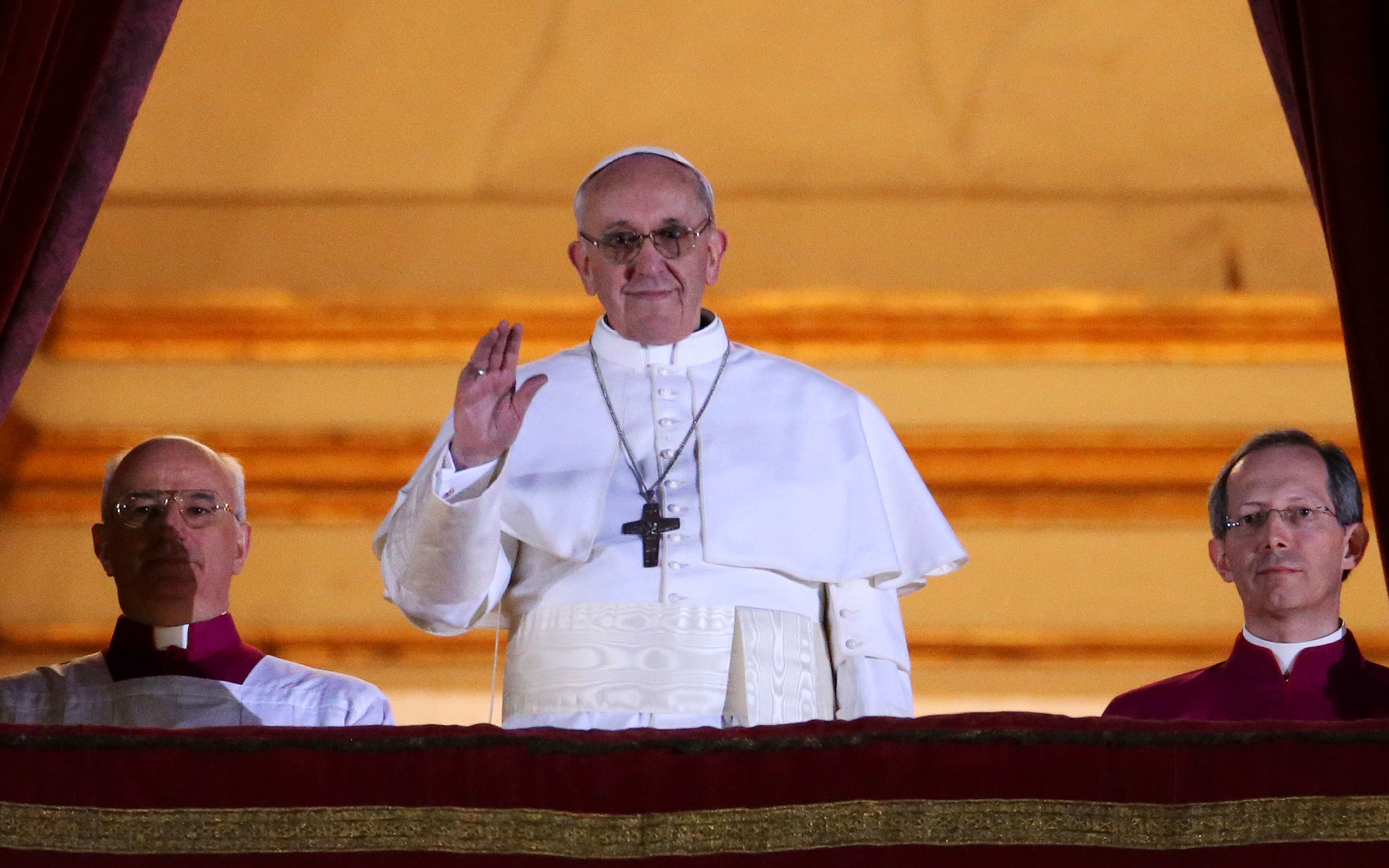
On 13 March 2013, Pope Francis emerged on the balcony overlooking St Peter’s Square.
Clad simply in white, he bore a new name paying homage to St Francis of Assisi, the patron saint of the environment, animals and birds.
From the start, Pope Francis emphasised simplicity and service. He took the bus home with the other cardinals instead of using the papal limousine. “Oh, how I would like a poor Church, and for the poor,” he remarked.
Global outlook
It was hoped the new Pope’s unorthodox background would help rejuvenate the Vatican and reinvigorate its holy mission.
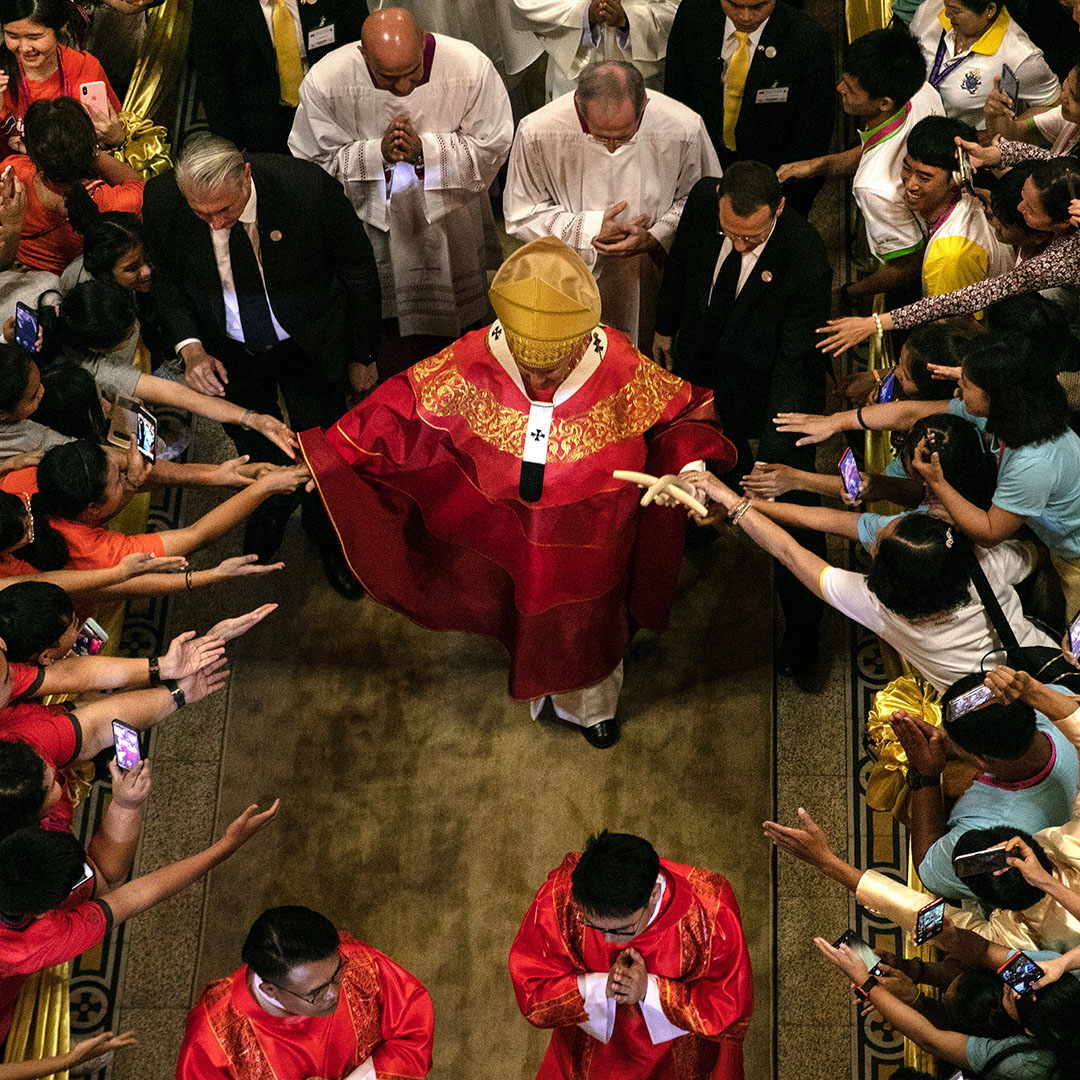
As Pope he appointed more than 140 cardinals from non-European countries – including 15 in December 2024.
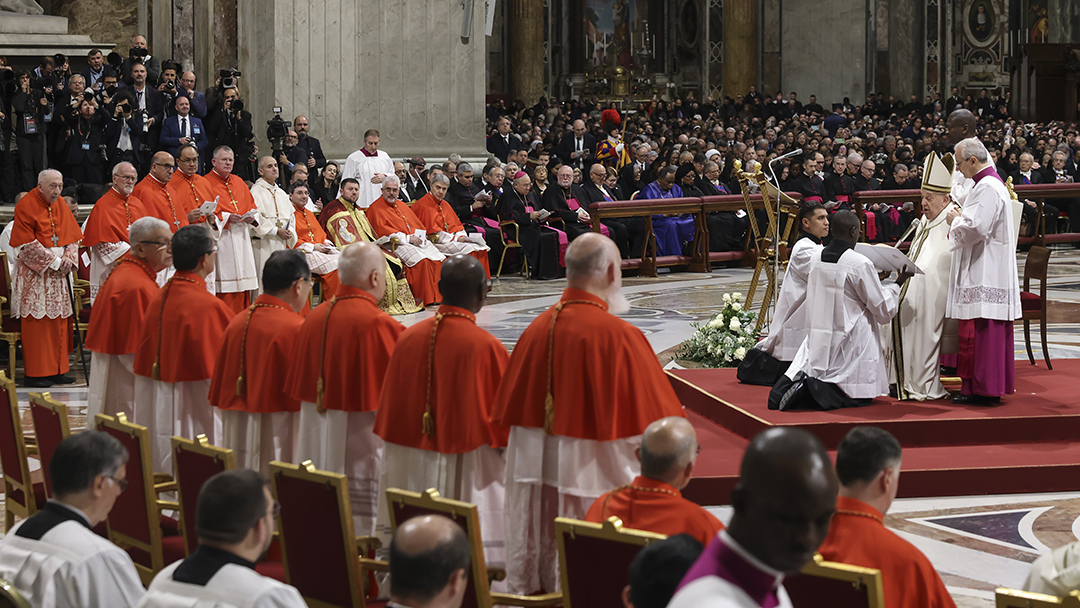
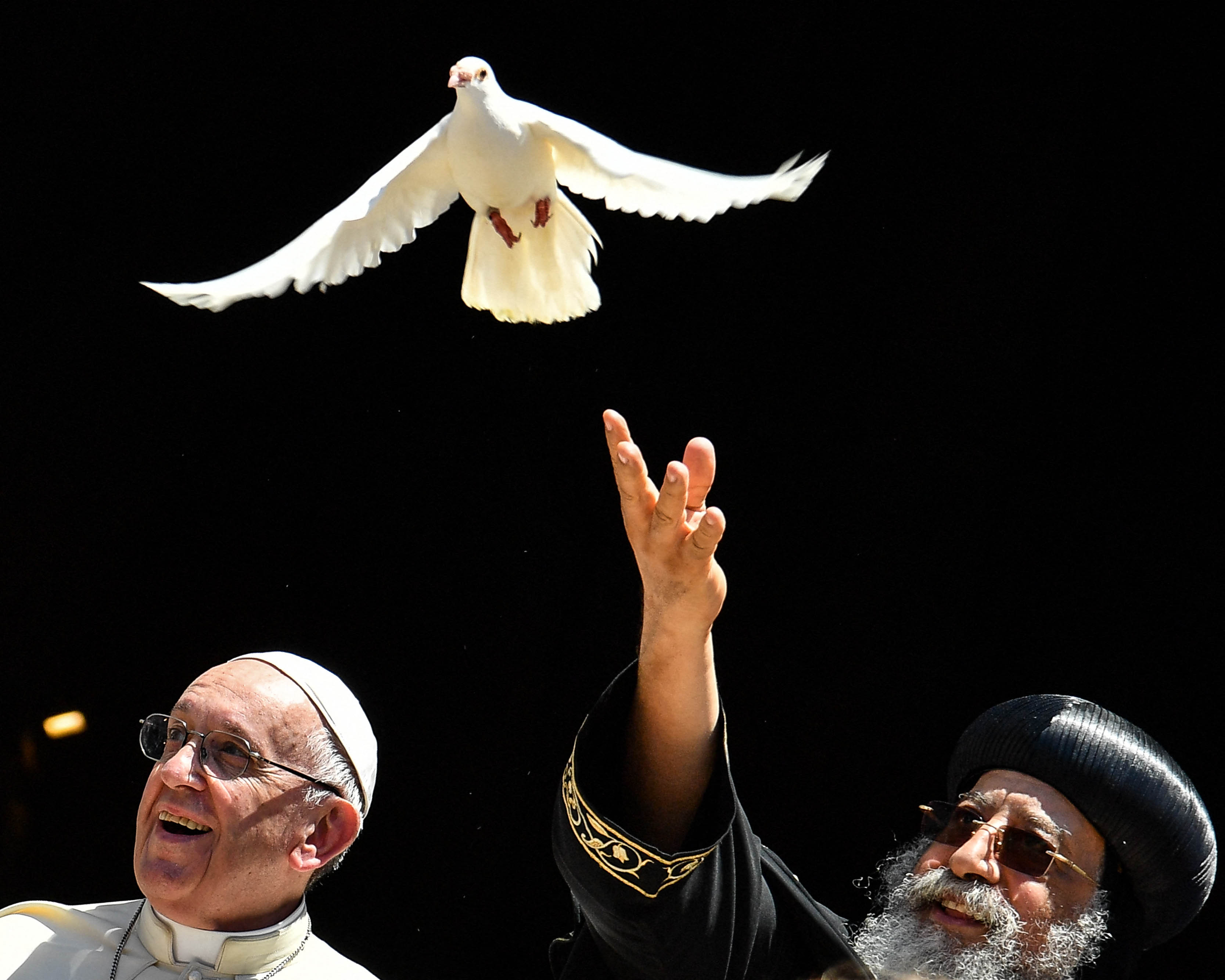
Francis also made efforts to promote world peace and inter-religious dialogue central to his papacy.
He sought to heal the thousand-year rift with the Eastern Orthodox Church and worked with Anglicans, Lutherans and Methodists.
And he persuaded the Israeli and Palestinian presidents to join him at the Vatican to pray for peace a year after becoming Pope.
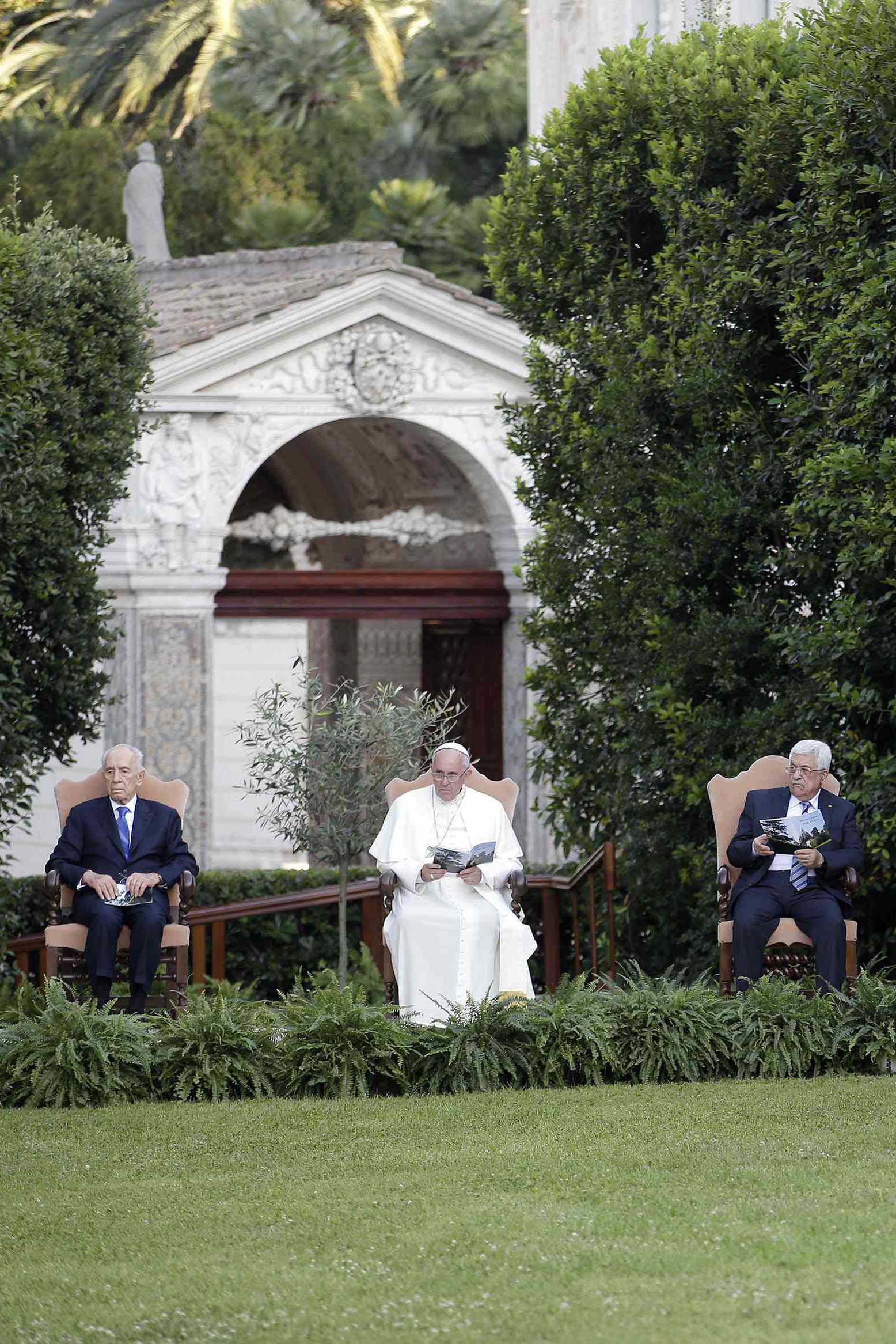
“Peacemaking calls for courage, much more so than warfare,” Pope Francis said after the meeting.
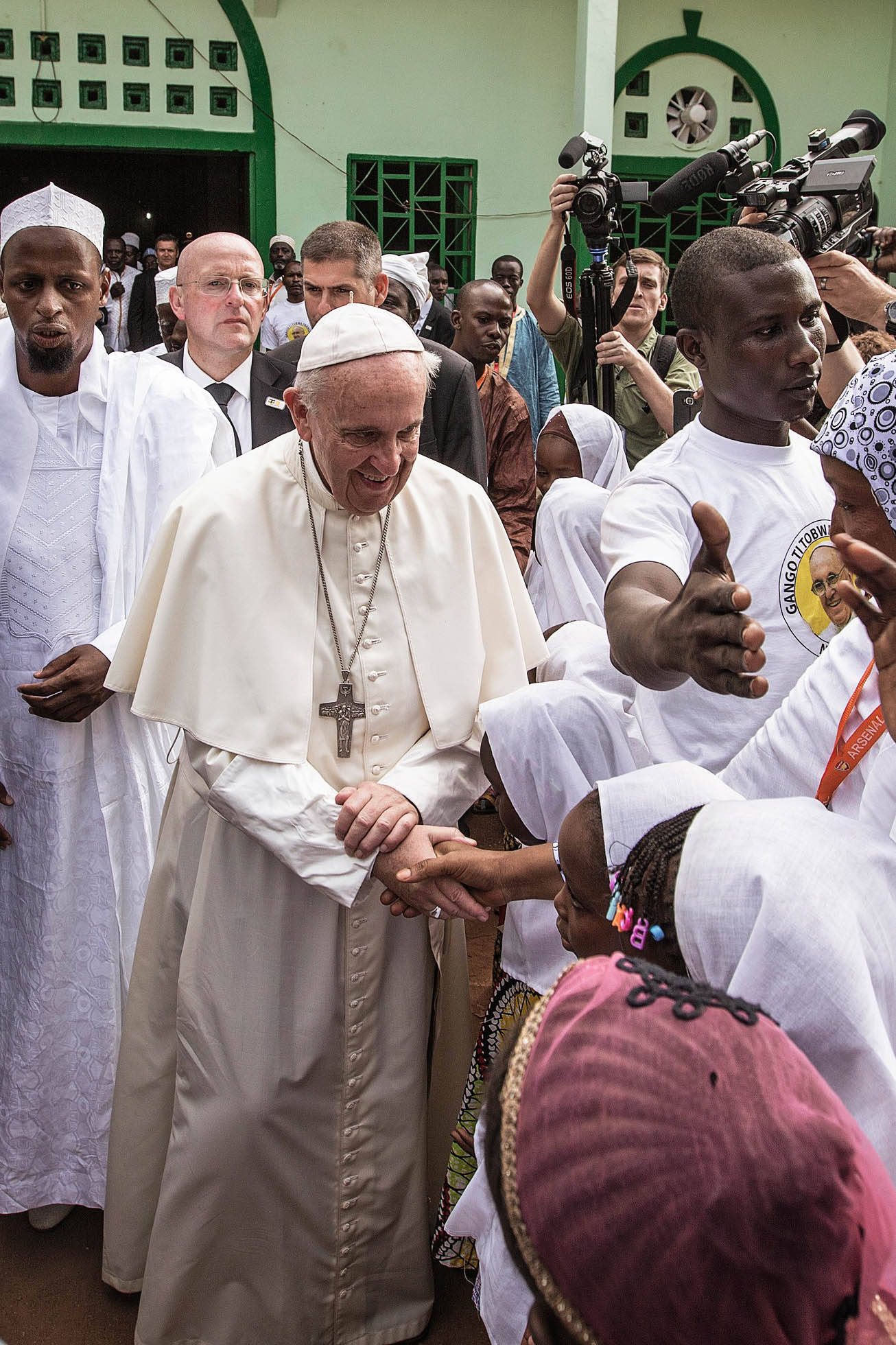
A year later he visited several African countries, including Kenya, Uganda and the Central African Republic, focusing his energy on trying to bring Christians and Muslims together.
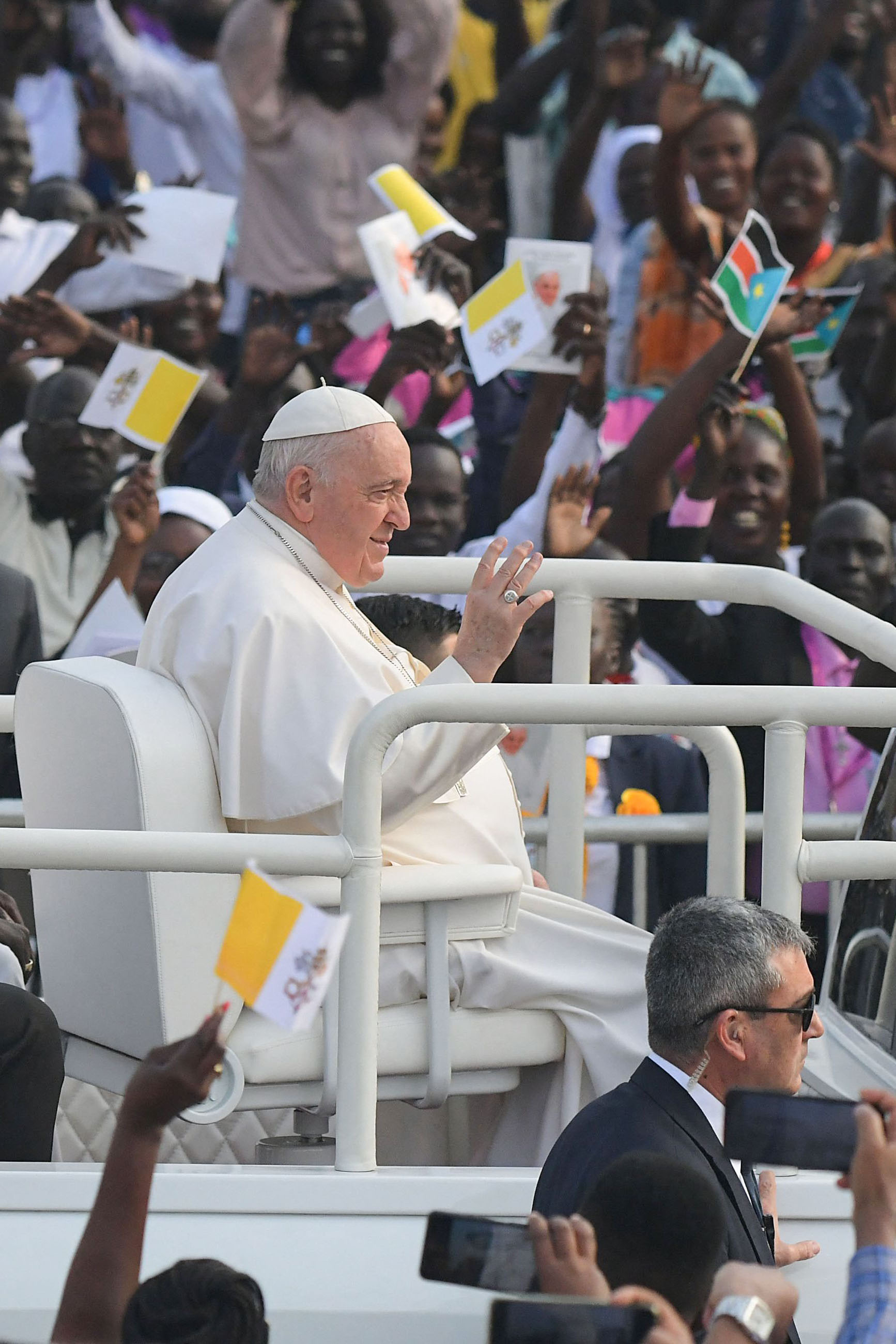
He returned to the continent in 2023 calling for peace during a pilgrimage to South Sudan.
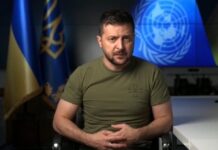
In his Christmas message of 2022 he spoke of a world suffering from a “famine of peace” and called for an end to the war in Ukraine – months later he welcomed President Volodymyr Zelensky to the Vatican.
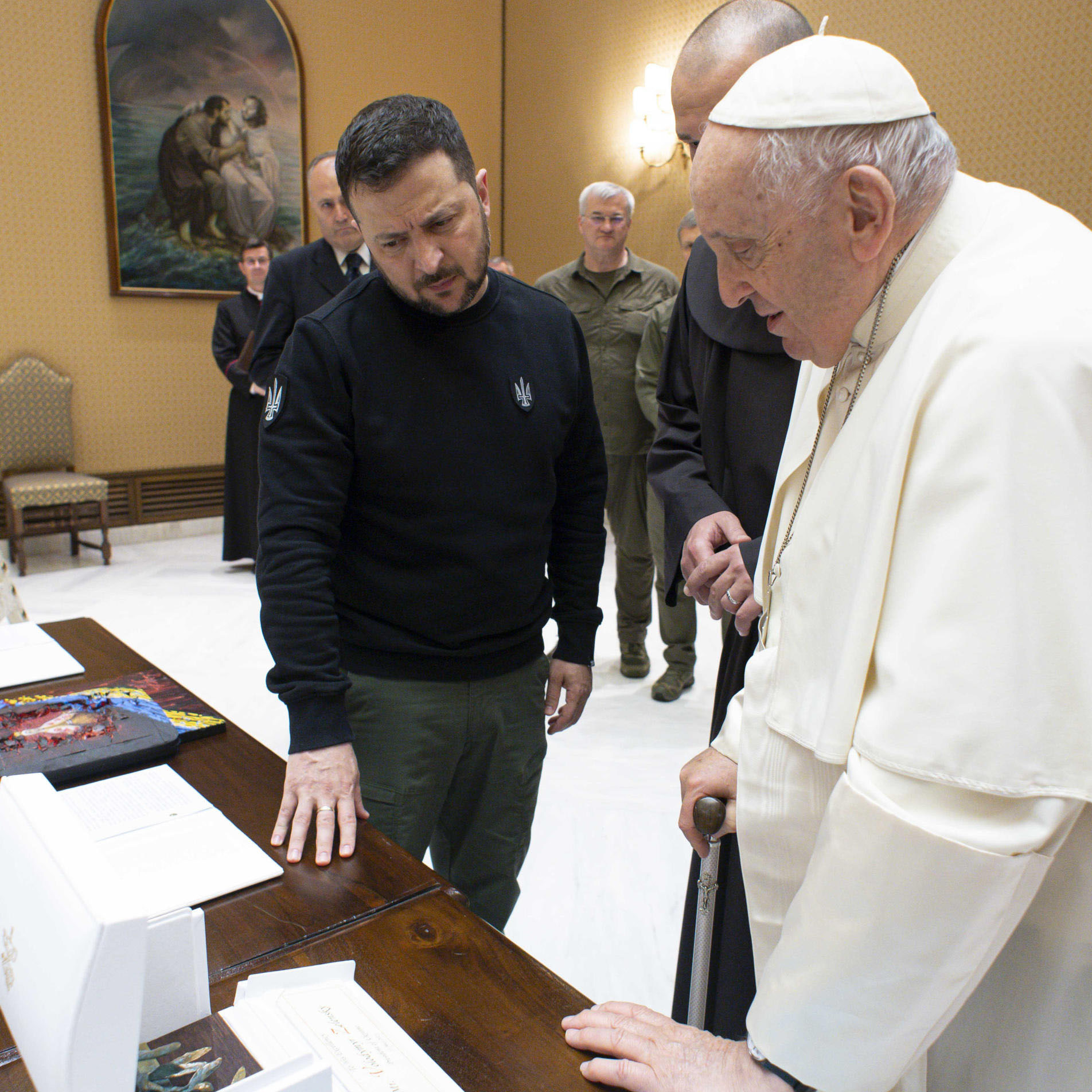
And, as a Spanish-speaking Latin American, he provided a crucial service as mediator when the US government reopened diplomatic ties with Cuba in 2015 – holding meetings at the Vatican and visiting both countries that year.
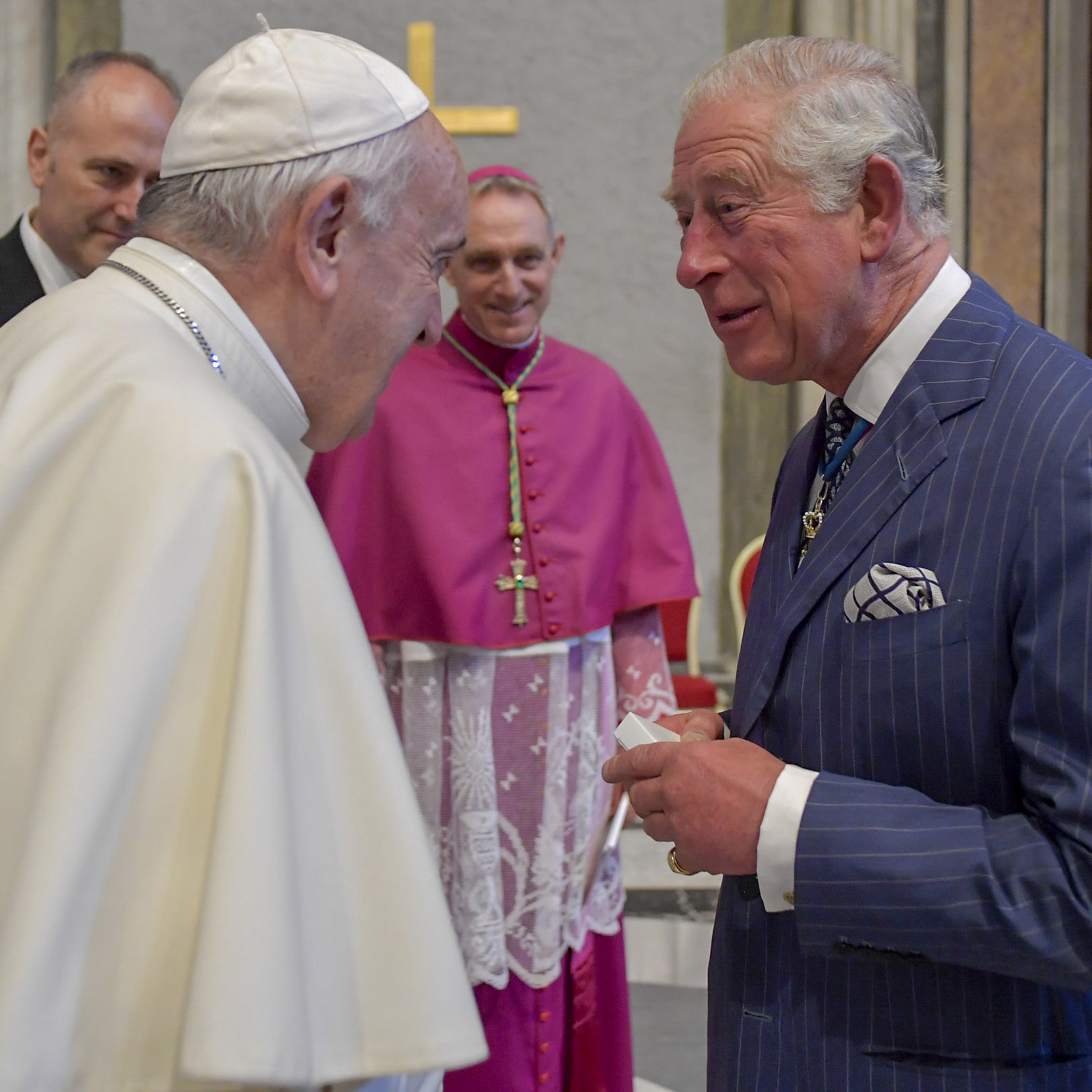
He also hosted the late Queen at the Vatican in 2014 and five years later the future King, Prince Charles.
Image source, Arthur Edwards/Getty Images
He met actors and celebrities including Angelina Jolie and sportspeople such as Argentina footballing hero Lionel Messi.
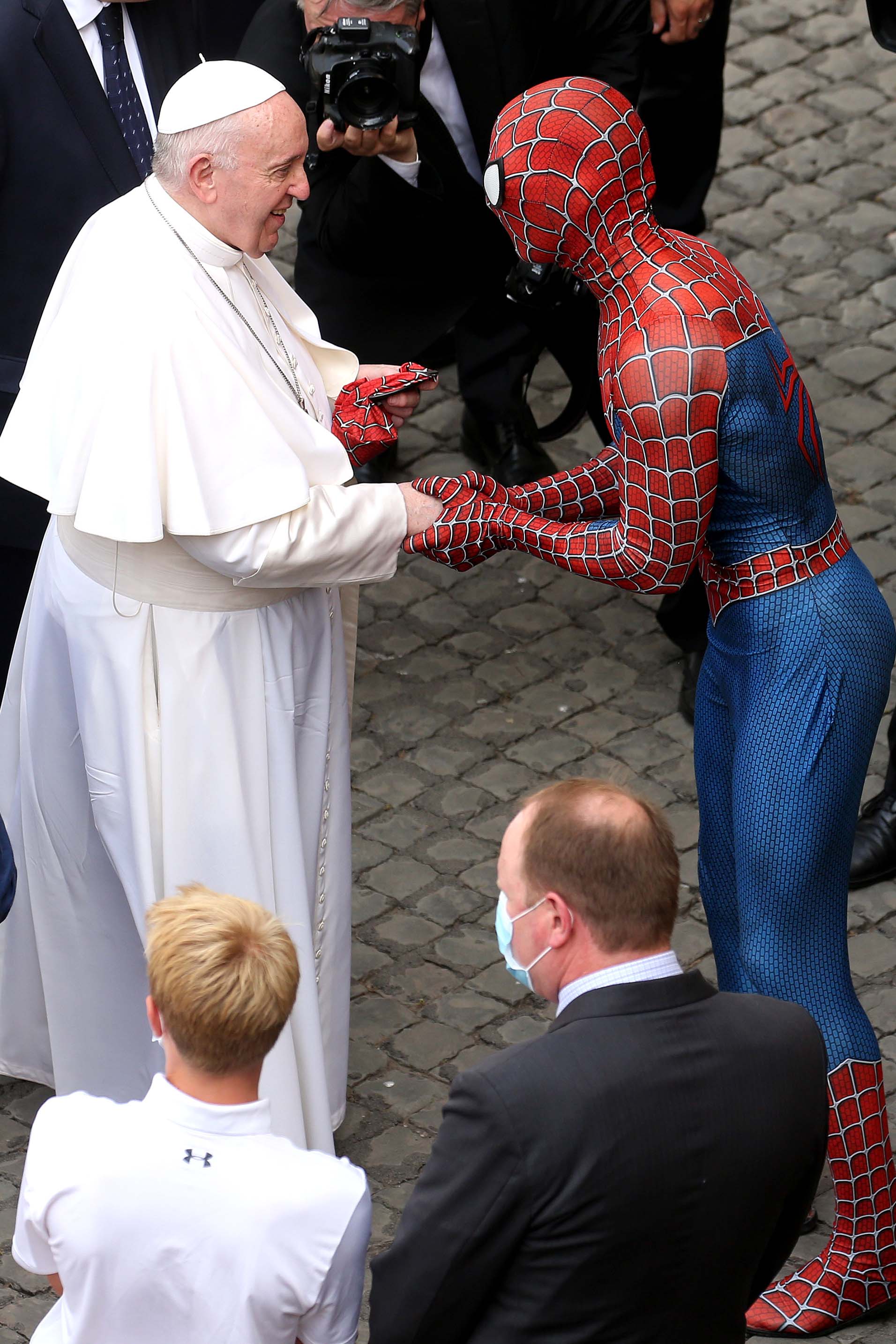
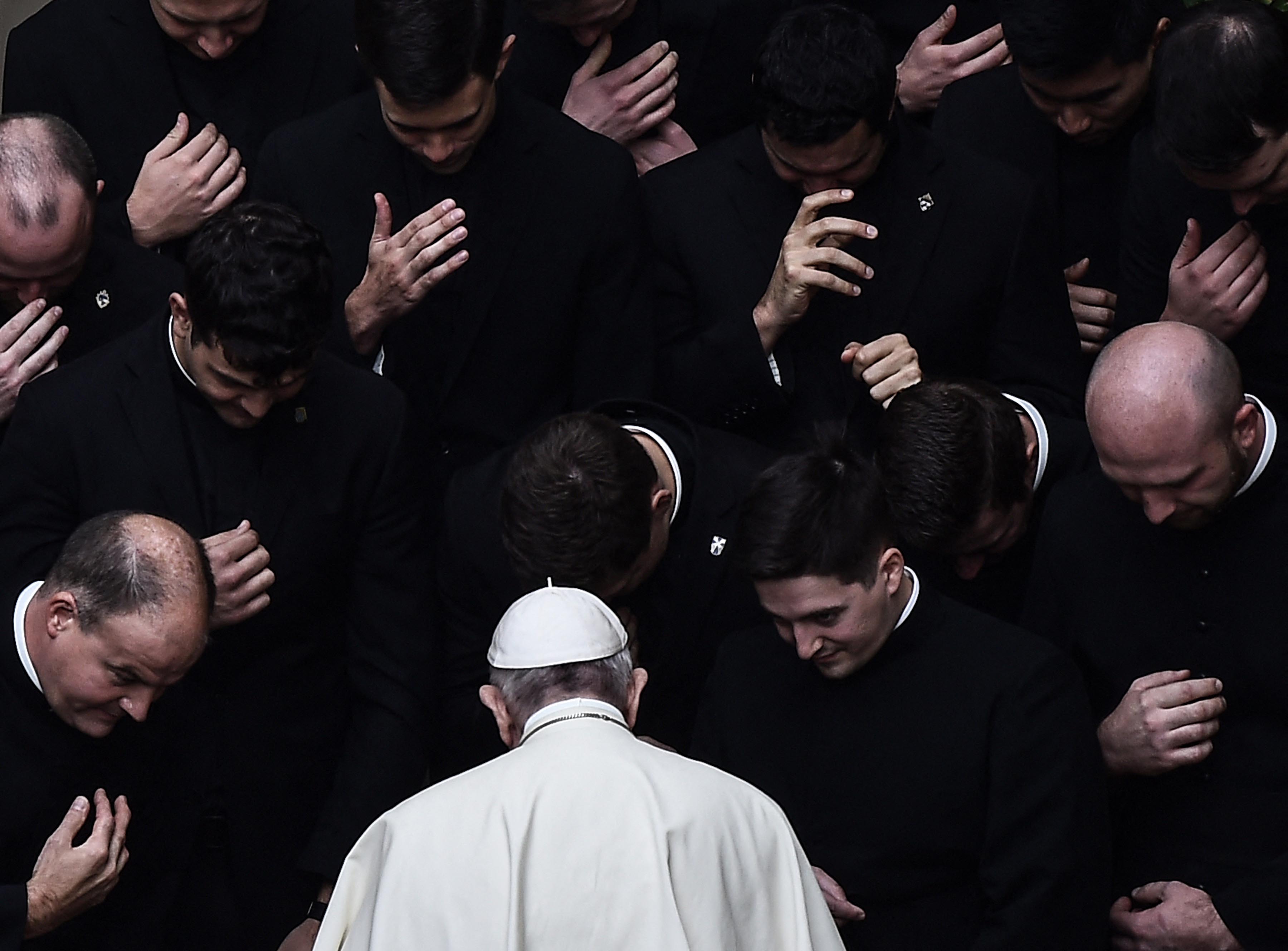
In tougher times, during the Covid pandemic, he cancelled his regular appearances in St Peter’s Square – to prevent the virus spreading – and declared that being vaccinated was a universal obligation.
Controversial decisions
But his papacy has not been without challenges. Francis encountered resistance from conservative factions within the Church, who felt he was moving away from traditional doctrine.
He opposed abortion throughout his time as Pope, describing it as a “grave sin”, but allowed priests to forgive women who repented after having one.
And in 2023 he said priests would be allowed to bless same-sex couples – a significant advance for LGBT people in the Catholic Church – although the blessings were not to be part of regular Church rituals or related to civil unions or weddings.
However, the greatest challenge to his papacy came from those who accused him of failing to tackle child abuse.
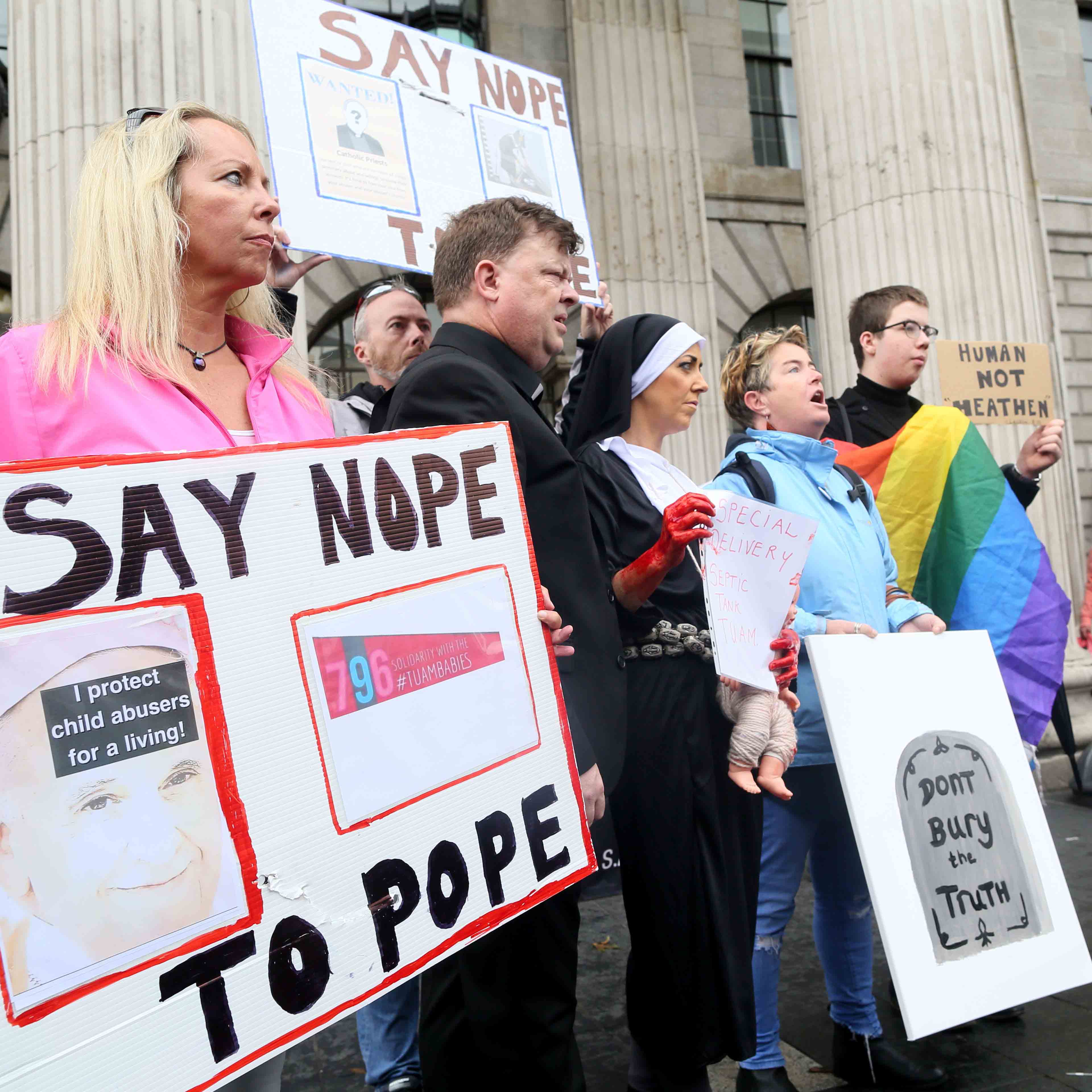
Although the Pope talked of the Church taking decisive action to deal with the issue – including making it compulsory for members of the clergy to report suspected abuse to their superiors – critics contend that he could have done more during his papacy.
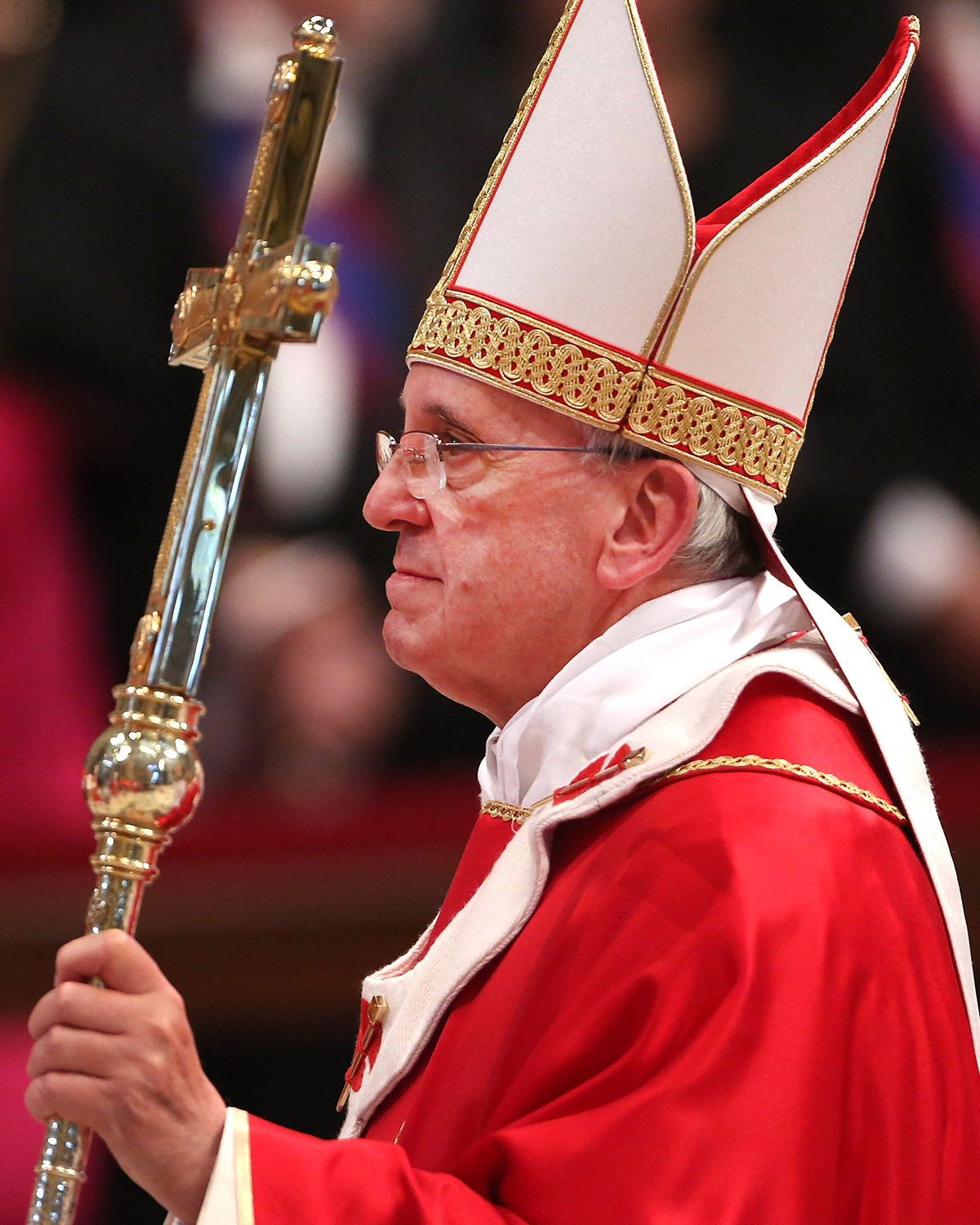
Despite the controversies, Pope Francis remained committed to the poor and marginalised, living a life of service and simplicity as he led the world’s 1.2 billion Catholics for more than a decade.
“A world full of hope and kindness is a more beautiful world,” he told the BBC over the Christmas period in 2024.