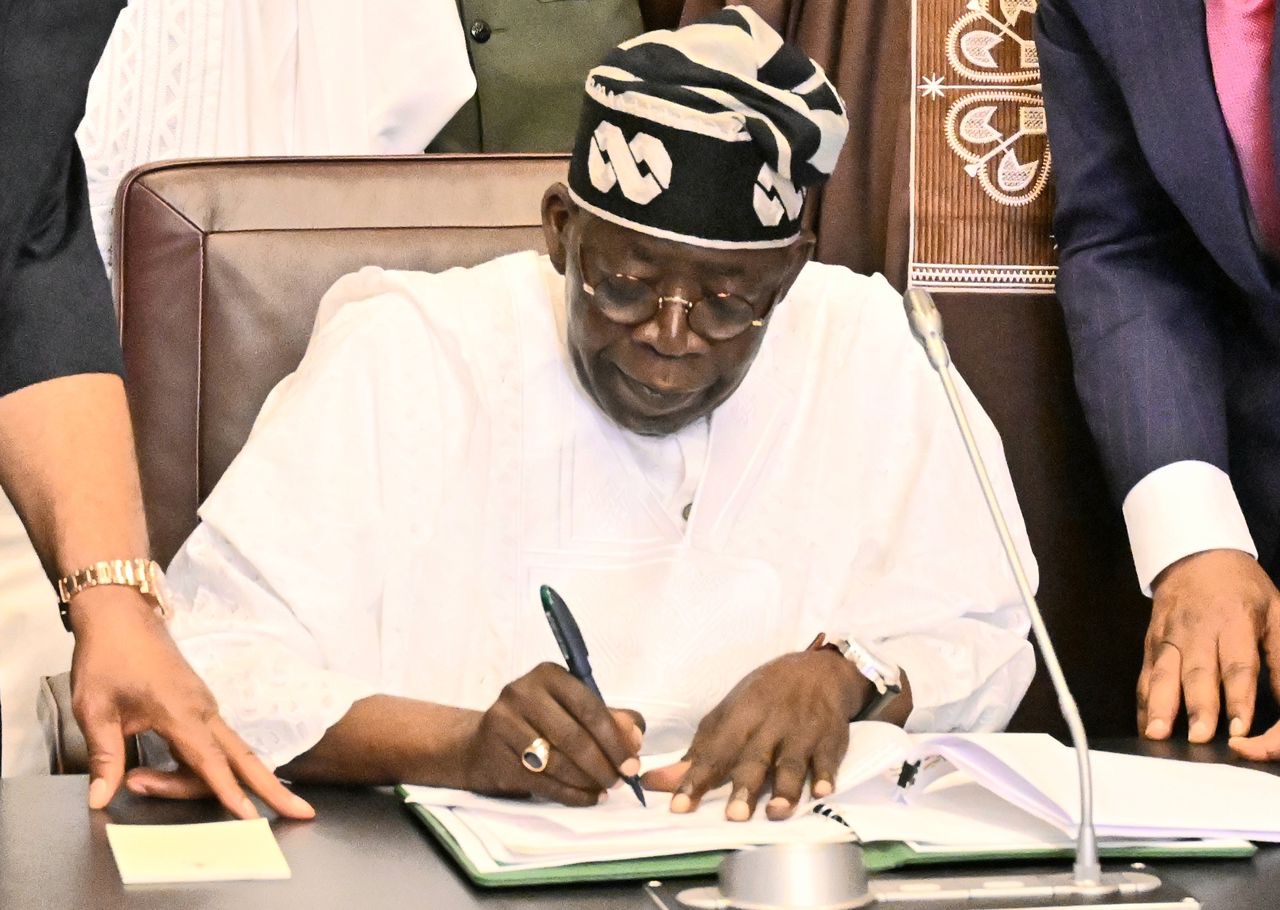





President Bola Tinubu has signed a fresh Executive Order aimed at slashing the cost of oil and gas projects, attracting new investments, and increasing government revenues from the country’s upstream petroleum sector.
The Special Adviser to the President on Energy, Senan Murray, stated this in a statement made available to journalists on Friday.
Murray added that the Executive Order—titled the Upstream Petroleum Operations Cost Efficiency Incentives Order, 2025—introduces a set of performance-based tax incentives for oil and gas operators who deliver measurable cost savings in line with industry benchmarks.
According to the Executive Order, the Nigerian Upstream Petroleum Regulatory Commission (NUPRC) will annually publish these benchmarks for different terrains, including onshore, shallow water, and deep offshore operations. Further guidelines detailing how the Order will be implemented are expected soon.
One of the key provisions of the Order offers upstream operators a 50% return on incremental government revenue generated from cost savings. However, to maintain fiscal discipline, tax credits under the new incentive scheme are capped at 20% of a company’s annual tax liability.
“This is a strategic move to make Nigeria’s oil and gas sector globally competitive,” President Tinubu said. “We are sending a clear signal to investors that Nigeria is open for business—not out of desperation, but because we offer real value. This is about creating jobs, boosting efficiency, and ensuring every barrel of oil counts for Nigerians.”
To oversee the coordination and implementation of the new Order, the President has directed his Special Adviser on Energy to lead inter-agency collaboration, ensuring that the reform agenda translates into concrete and measurable results.
“This isn’t just about cutting costs,” said Mrs. Olu Verheijen, Special Adviser to the President on Energy. “It’s a deliberate push to reposition Nigeria’s upstream sector for long-term sustainability. We are rewarding efficiency, restoring investor confidence, and ultimately creating more value for the Nigerian people.”
The 2025 Order builds on the momentum of the 2024 presidential reform directives, which introduced improved fiscal terms, shortened project development timelines, and updated local content policies to reflect global standards.