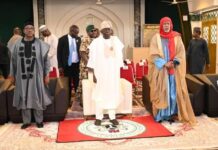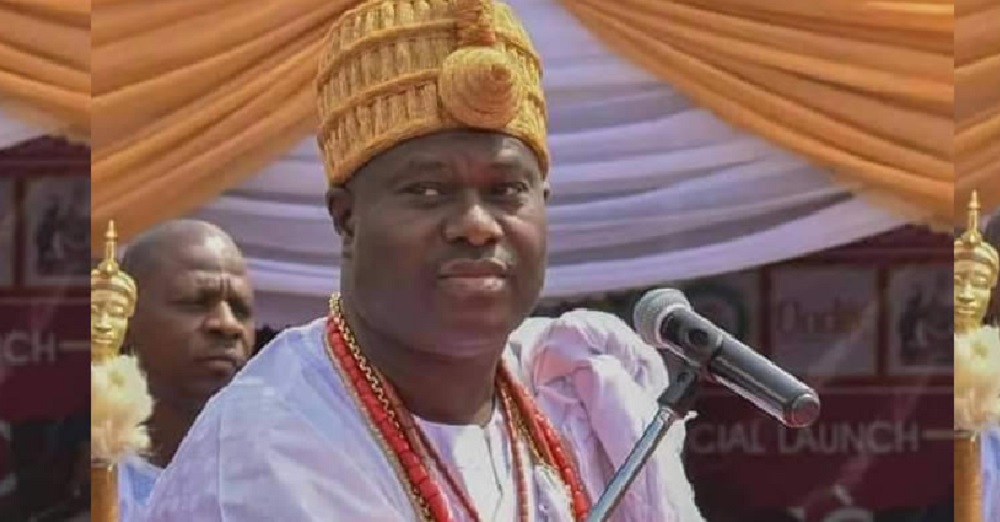





The Arole Oduduwa, Olofin Adimula, Ooni of Ife, Oba Adeyeye Enitan Ogunwusi, Ojaja II, on Sunday began his seven-day seclusion in Ile-Ife, Osun State, marking the commencement of traditional rites for this year’s Olojo Festival.
The monarch announced that the spiritual exercise would be dedicated to prayers for Nigeria’s peace, unity, and sustainable development. He particularly admonished traditional rulers across the length and breadth of the Oduduwa race to embrace unity as the surest tool for achieving stability and progress.
According to a statement made available to TheIdeal News by the Director of Media and Public Affairs of the Ooni’s Palace, Otunba Moses Olafare, “the Olojo Festival, meaning ‘the Day of the First Dawn,’ is celebrated to mark the day the Almighty created the earth. It is one of the oldest and most respected cultural festivals in Oduduwa land, symbolising creation, renewal, and the spiritual authority of Ile-Ife as the cradle of mankind.”
Before going into seclusion, the Ooni offered prayers for divine blessings, healing, and national recovery, urging Nigerians to embrace values of peace, tolerance, and love.
The Ooni said, “I am praying for Nigeria and for Nigerians. I seek God’s mercy upon this land. May we all experience peace, unity, progress, and the blessings of the Almighty. To the sons and daughters of Oduduwa everywhere, I urge you: be peaceful, be united, and let us work together for progress.
Ooni Ogunwusi also stressed that Nigeria’s strength lies in its diversity, charging citizens to rise above ethnic and religious differences. He further called on political leaders to act with fairness, justice, and compassion, noting that leadership must always prioritise the welfare of the people.
“No society thrives when its leaders ignore the cries of the masses,” he warned.
The seven-day seclusion is a sacred period of purification during which the Ooni withdraws from public view to engage in prayer and meditation. It is believed to strengthen his spiritual connection with the divine and his ancestors, enabling him to intercede on behalf of his subjects and the nation.
The rite also prepares him for the climax of the Olojo Festival when he will wear the sacred ‘Ade Aare’, believed to be the original crown of Oduduwa, while leading ancestral rites, processions, and prayers at historic sites in Ile-Ife. These rituals reaffirm the city’s position as the spiritual heart of the Yoruba people.
By dedicating this year’s observance to Nigeria, the Ooni has reinforced the role of traditional rulers as spiritual and moral guides, offering hope and direction at a time when the country grapples with deep challenges.
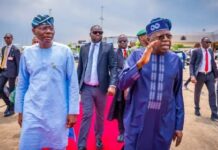
Meanwhile, earlier on Sunday, the Ooni, who doubles as the Permanent Co-Chairman of the National Council of Traditional Rulers of Nigeria (NCTRN) and Chairman of the Southern Nigeria Traditional Rulers Council (SNTRC), paid a historic visit to the new Olubadan of Ibadanland designate, Oba Rasheed Ladoja, at Ibadan, Oyo State.
The visit, which drew a massive crowd of Ibadan indigenes, Mogajis, and monarchs, was described as a gesture of solidarity and love. The Ooni, however, expressed regret that he would be unable to attend the Olubadan’s coronation scheduled for Friday, as the event coincides with his seclusion.
Responding , the Olubadan-designate lauded the Ooni for his sacrifices to foster unity among Yoruba monarchs and members of the Oduduwa race worldwide.
He said, “Kabiyesi Oonirisa, If we all come together with our ideas, with yours, we will have our way, and as God will have it, the president of the country is our son, and he has even assured me he will be present at my coronation ceremony.
“The experience of governance is different from the experience used in political intrigues and the business circle. I don’t have the experience Ooni has because 10 years on the throne is no joke. By the grace of God, you will be one of my teachers. I have said this to all the Obas who have visited me.”
Oba Ladoja further urged Yoruba monarchs to emulate the Ooni by prioritising values and institutions that unite them rather than those that divide. He reminded his peers that people look up to traditional rulers not just for leadership but also for inspiration and protection.