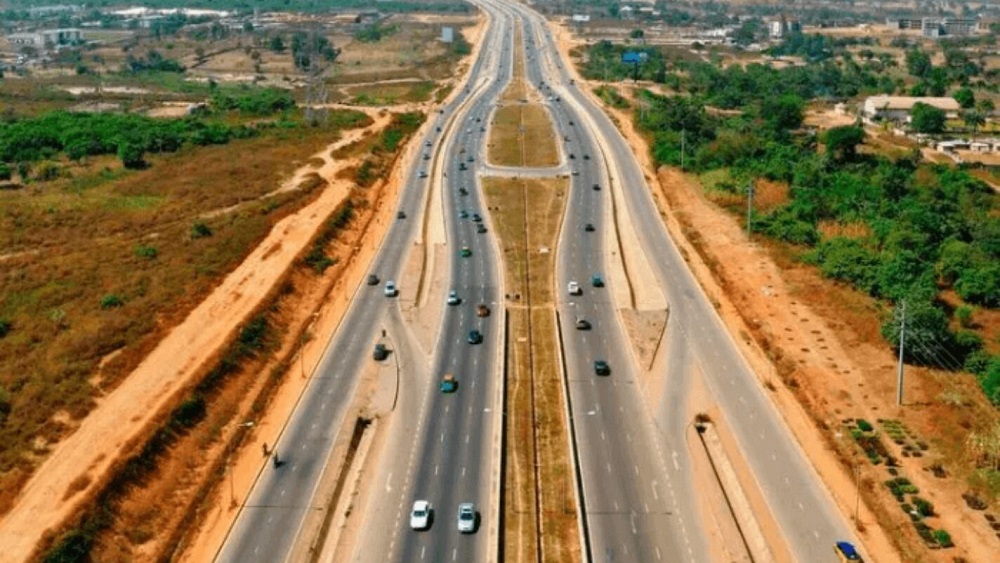





The Federal Government has reiterated its commitment to the speedy completion of the Abuja–Kano Highway, even as it voiced concern over the growing incidents of vandalism and misuse of newly constructed and ongoing road projects across the country.
It warned that such reckless acts, if not promptly curbed, could jeopardize the durability and safety of vital national infrastructure.
Minister of State for Works, Bello Goronyo, issued the warning on Saturday during an inspection tour of the ongoing Abuja–Kaduna–Zaria–Kano road project.
He condemned what he described as deliberate acts of sabotage and negligence by some residents living along completed and active construction corridors.
Goronyo expressed dismay over reports of individuals damaging completed road sections, dismantling safety railings, and converting parts of the highways into refuse dumps or drying grounds—especially around the Jaji Bridge corridor in Kaduna State.
He also lamented the rising trend among refuse scavengers, popularly known as “Baban bola,” who reportedly steal iron components from the pavements of ongoing road projects to sell as scrap.
“Preventing road abuse is part of road maintenance. We have noticed people going overnight to break newly completed roads or remove vital components.
“Along the Jaji Bridge, for instance, some residents have tampered with structures to pass cables or place logs across the bridge. These are acts of vandalism that must stop,” Goronyo said.
The minister appealed to traditional rulers, community heads, and residents to take collective responsibility for public infrastructure and discourage practices that shorten the lifespan of roads.
“The government has invested huge resources in these projects, and we must protect them for the benefit of all,” he added.
Speaking at the project’s starting point in Tungan Maje, Abuja, Goronyo noted that the improved road conditions have already enhanced travel safety and reduced insecurity along previously volatile routes.
“The importance of well-maintained roads cannot be overemphasised. They enhance safety, reduce travel time, and improve security. We must therefore work together to protect these national assets,” he said.
Reaffirming the Federal Government’s resolve to complete the Abuja–Kaduna–Zaria–Kano Expressway within record time, the minister described it as one of President Bola Tinubu’s flagship projects designed to strengthen economic integration between northern and southern Nigeria.
On his part, the Director of Bridges and Design at the Ministry, Engineer Musa, explained that most heavy-duty vehicles in Nigeria exceed axle load limits, which conventional asphalt roads cannot withstand.
“Most heavy-duty vehicles in Nigeria exceed axle load limits, and asphalt cannot withstand that stress. Rigid pavements are built to endure, with concrete designed to last over a century,” he added.