
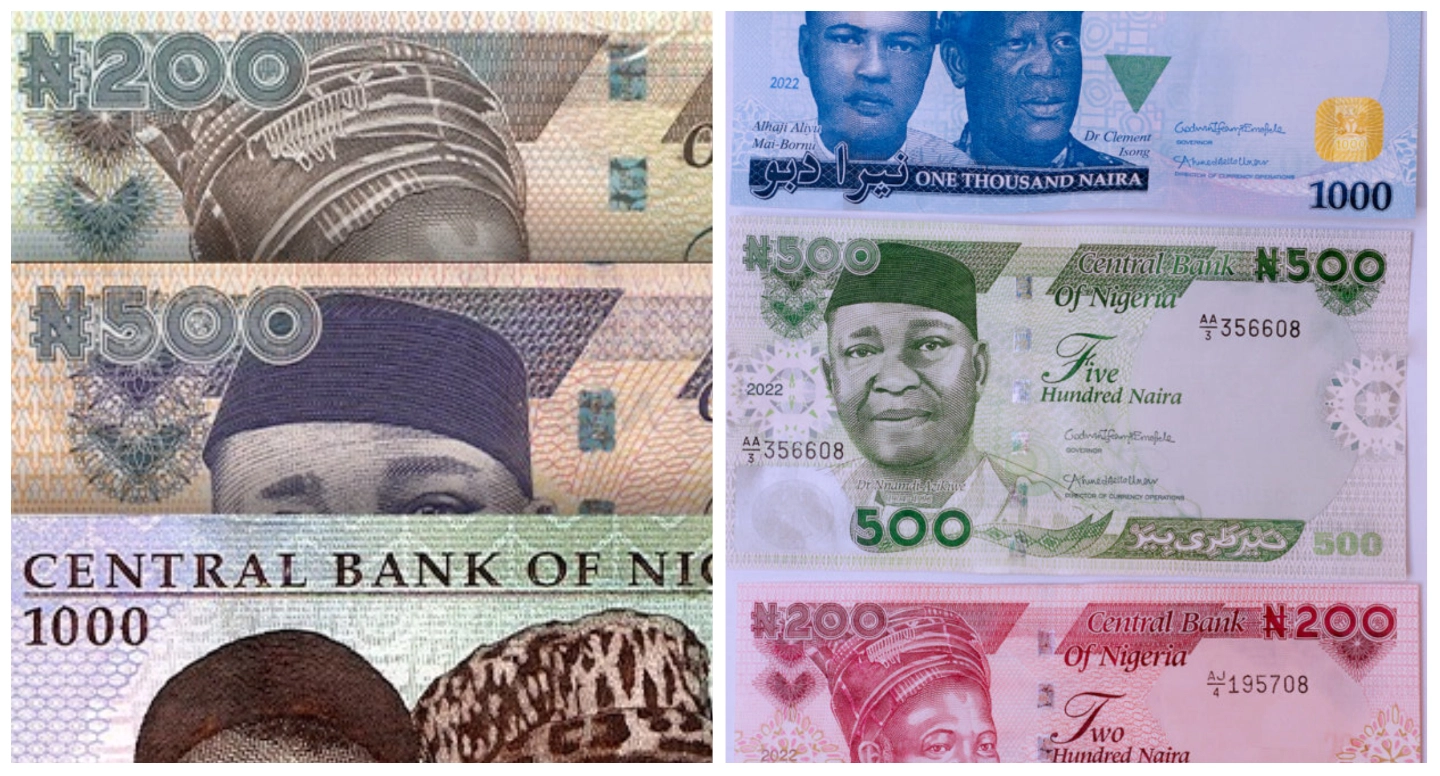





Following the Supreme Court judgment, which extends the validity of the Central Bank of Nigeria (CBN) currency redesign policy to December 31, some deposit money banks have started paying out the old note.
It was gathered that some commercial banks in Kano and Abuja have commenced paying out the old N500 and N1000 notes.
While some branches of Guarantee Trust Bank (GTB) issued out old notes, some others like Polaris Bank in Abuja is yet to commence payment of old notes at press time.
A bank official who sought anonymity, said that only the old N200 notes were still being issued, “as we do not have any new directive on what to do yet.”
But sources at GTB said they received a directive from their management to begin paying old notes in their vault, saying that the problem is that taking the old note from customers will require the CBN form as we don’t have any directive in that regard.”
As at the time of filling this report, it could not be confirmed if the CBN has officially issued a bank-wide circular instructing the Deposit money bank to comply with the verdict of Supreme Court.
Economic experts have asked President Muhammadu Buhari to direct the Governor of the CBN, Godwin Emefiele, to obey the judgment of the apex court on the validity of the old naira notes.
An economist, Paul Alakje, had said there is the needs for more clarity on how the old N500 and N1000 notes will return into circulation.
He said the judgment would not be impactful if the old Notes were not released by the CBN back into the banking system.
He said, “If the money is not released in the financial sector by the Central Bank of Nigeria, the judgment may not have any effect.”
In a unanimous judgement, a seven-member panel of Justices of Supreme Court presided by Justice Inyang Okoro, on Friday, held that the directive by President Muhammadu Buhari to the Central Bank of Nigeria (CBN) for the redesigning and withdrawal of old notes of N200, N500 and N1,000, without consultation with the states, the Federal Executive Council (FEC) and the National Council of State and other stakeholders, was unconstitutional.
The apex court also observed that no reasonable notice was given before the implementation of the policy as provided under the CBN Act.
















 currency redesign policy to December)