




*Cites plethora of litigations, insecurity
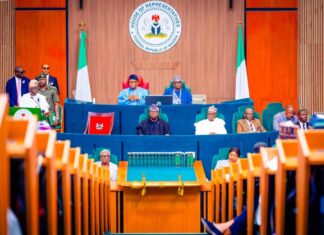
*Lawan, Gbajabiamila read Buhari’s letter to NASS members
President Muhammadu Buhari, on Tuesday, officially rejected the Electoral Act Amendment Bill and forwarded a letter to the National Assembly, stating reasons for his rejection.
The President also stated that he declined to give assent to the bill on the grounds of plethora of litigations that may arise from direct primaries by political parties, insecurity and wise counsel from the relevant ministries, departments and agencies (MDA).
The Senate President, Dr Ahmad Lawan and the Speaker of the House of Representatives, Hon Femi Gbajabiamila, have also read the Buhari’s letter to the National Assembly members, rejecting the electoral act amendment bill.
The federal lawmakers are presently deliberating on the President’s letter and next step to take over the matter.
The National Assembly had on November 19, transmitted the bill to Buhari but the President refused to sign the bill within the mandatory 30 days period which expired on Sunday.
Some of the innovative amendments of the bill include the Compulsory direct primaries for political parties and electronic transmission of election results.
Rejecting the bill, Buhari said the amendment may open up the electoral system to a plethora of litigations based on diverse grounds and issues of law, saying that adopting direct primary is contrary to the spirit of democracy and negates freedom of association as enshrined in the 1999 Constitution (as amended).
The President’s letter reads in part, “The amendment as proposed is the violation of the underlying spirit of democracy, which is characterised by freedom of choices of which political party membership is a voluntary exercise of the constitutional right of freedom of association.
“The proposed amendment might also give rise to a plethora of litigations based on diverse grounds and issues of law, including but not limited to the fact that the proposed amendment could not work in retrospect, given that the existing constitution of the parties already registered with the Independent National Electoral Commission (INEC) permits direct, indirect and consensus primaries.
“I hereby signify to the National Assembly that I am constrained to withhold assent to the bill in line with section 58 (1) of the 1999 Constitution (as amended).”