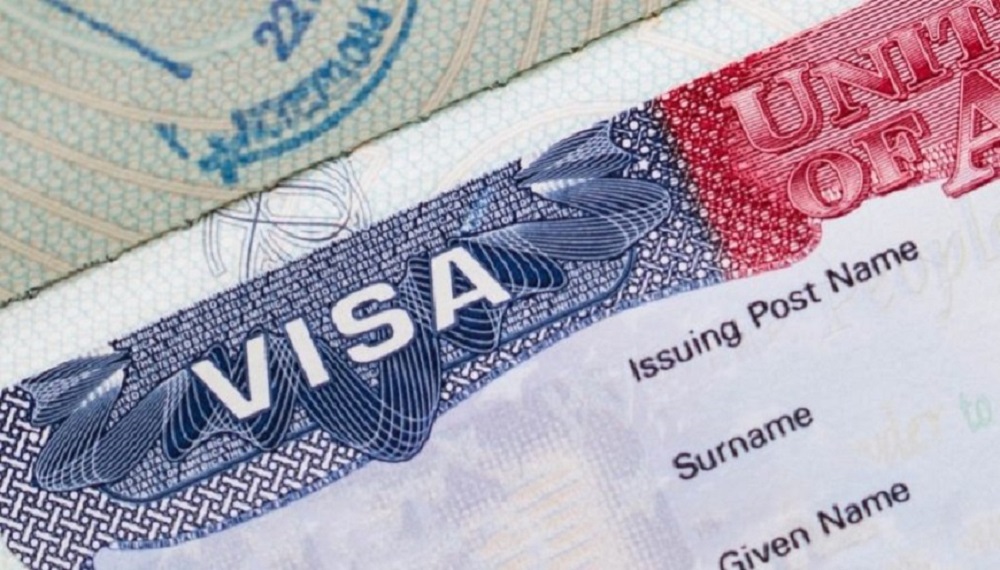





Under new U.S. visa rules, applicants are required to list all social media usernames used in the past five years when completing Form DS-160 and ensure their accounts are set to public.
Consular officers now conduct extensive digital vetting, which includes reviewing applicants’ social media activity, running search engine checks, and using investigative tools like LexisNexis.
This shift reflects the government’s move toward “comprehensive and thorough vetting” to identify potential security risks or possible immigration law violations. Any effort to hide, delete, or make accounts private during this process may be considered suspicious.
Social media has become a critical lens through which U.S. immigration agencies assess the character and eligibility of foreign nationals seeking entry.
Here are the social media posts that could ruin your U.S. visa chances:
1. Violent Political Content
Expressing or supporting political violence, revolution, or militant resistance, whether in your country or abroad, may suggest that you’re a threat to U.S. security or public order.
2. Antisemitic Or Hate Speech
Recent reports show that consular officials are now instructed to deny visas based on signs of antisemitism found online. Posts that joke about or target Jewish people, Holocaust denial, or conspiracy theories around Israel or Jewish influence could be interpreted as inciting hate.
3. Terrorism or extremist support
Any post, comment, like, or shared content that supports or promotes terrorist groups such as ISIS, Al-Qaeda, Hamas, or Hezbollah can be grounds for immediate denial. Even seemingly minor engagement with these topics is flagged.
4. Hostility toward US government or culture
Posts that show hatred or aggression toward American laws, leaders, or values can indicate that you’re not likely to respect U.S. norms and might abuse your visa.