
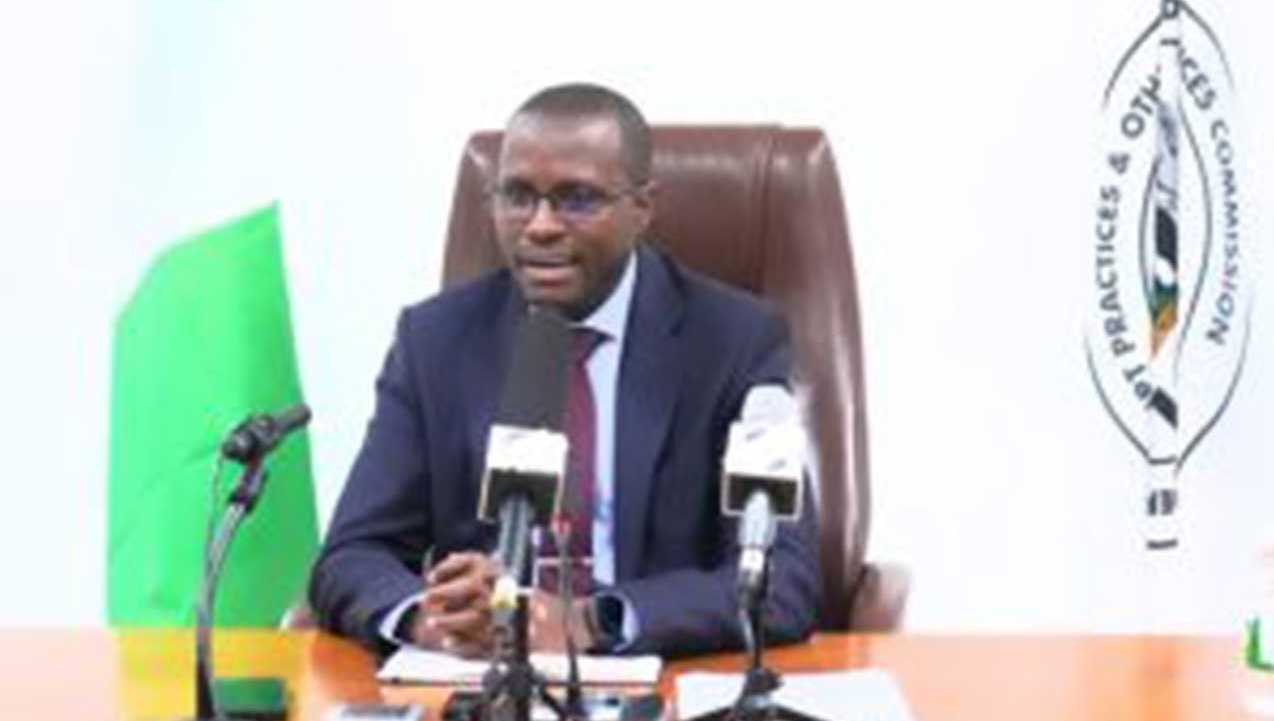





The Chairman of the Independent Corrupt Practices and Other Related Offences Commission (ICPC), Dr. Musa Adamu Aliyu, has advised heads of Ministry Department and Agencies (MDAs) of government to always double-check financial documents brought before them by public officials before appending their signatures.
Aliyu who offered this advise on Wednesday in Abuja during an anti-corruption training for norm and behavioral change for chief executives of public agencies informed them that they will account for every fund made available to them during their time in office.
The event was put together by the Anti-corruption Academy of Nigeria (ACAN), the training and research arm of the ICPC, with support from the MacArthur Foundation.
He said: “When I was attorney general, I could remember that seven million naira was paid for a project which N100,000 will be spent.
“It was when I looked closely, I was able to discover otherwise. If you are not careful, those working under you will try to push things that after you leave, you will be called to account for what you did not know and nobody will listen to you that you have never seen or you did not know anything about it because the box stop at your table.”
Noting that the havoc corruption has done to the public service and the nation at large cannot be quantified, he said that the ICPC recognises the importance of leadership in ensuring that corruption is diminished in public sector.
“This executive session is designed to generate discussions on how best we could collaboratively prevent corruption in our MDAs with understanding and agreement that prevention is better than cure.
“Specifically, the objectives of this session include helping the chief executive officers identify corruption risk in their agencies so as to develop appropriate prevention measures to avoid common leadership pitfalls.
“This session has been put together to address challenges of why good people fall into corruption when appointed as chief executive officers, in order to avoid both internal and external pitfalls as chief executives.”
In her remarks, Chief Executive Officer (CEO) of the Nigeria Financial Intelligence Unit (NFIU), Hafsat Abubakar Bakari who lamented increasing complex cases of money laundering, particularly related to drug trafficking, fraud, and corruption, said that the unit has increased the number of money laundering cases it is initiating and taking forward to prosecution.















, Dr. Musa Adamu Aliyu, has advised heads)