




*Seek for prompt release of funding for nutrition to address crises
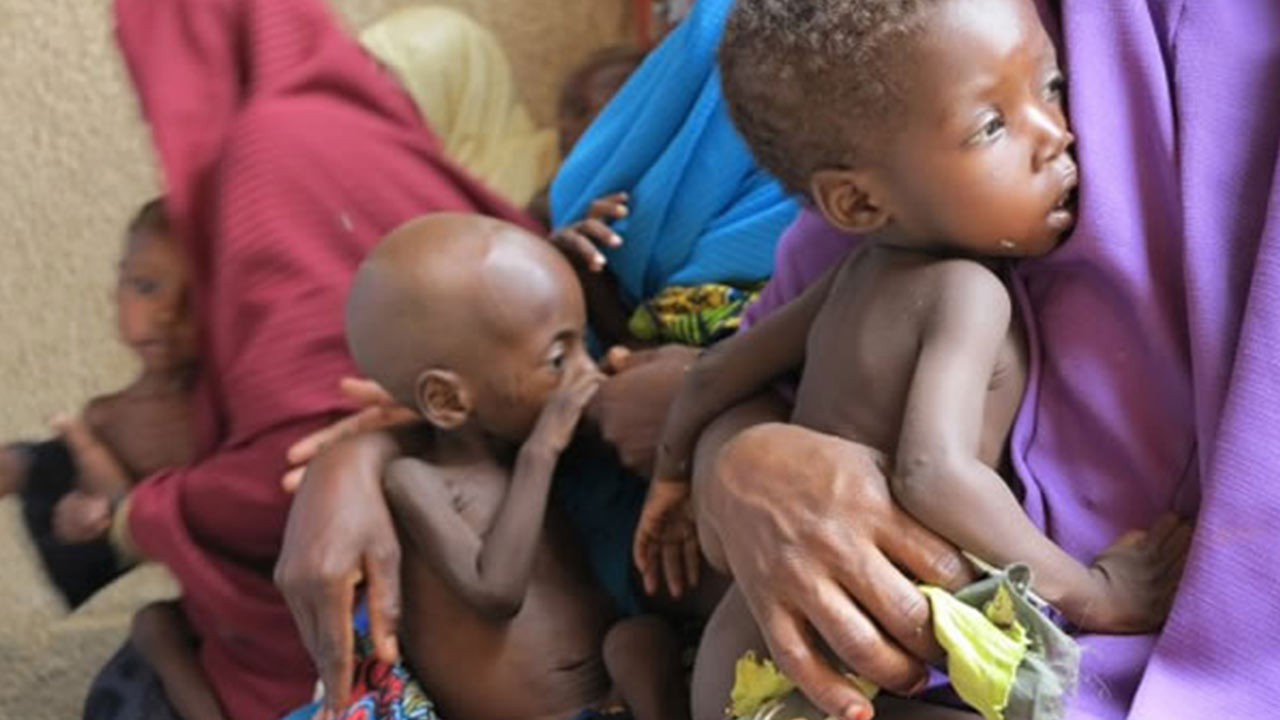
Nutrition experts in the country have disclosed that malnutrition is currently the biggest threat to child survival and development in the North-Eastern part of the country.
To this end, the experts advocate the need for increased budgetary allocation, prompt release of funds for nutrition and multi-sectoral approach to address the crises.
The United Nations Children’s Fund (UNICEF), while emphasising to prioritise the crises, said the COVID-19 pandemic, conflict and multiple displacement were peculiar contributors to the growing number of children affected by under-nutrition in the region.
Speaking during a three-day media dialogue on ‘Child malnutrition reporting’ in Borno State on Tuesday, the officer in charge, chief of field office, UNICEF Maiduguri, Samuel Sesay, said households in the region are presently experiencing unprecedented levels of food crises and hunger.
He said, “In North-East Nigeria, however, conflict, multiple displacement, destruction of source of livelihood for households, destruction of basic infrastructure and services, climate change and the COVID-19 pandemic are peculiar contributors to the growing number of children affected by under nutrition.
“Household food insecurity, poor infant and young child feeding, care practices, as well as poor feeding environment, hygiene and health services have been identified as the underlying causes of under nutrition in children”.
Sesay, who disclosed that malnutrition is the underlying cause of nearly half of all deaths in children under the age of five across the globe said, it is unacceptable that children continue to bear the burden of conflict, climate change and COVID-19.
He also stressed the need for government at all level as well as policy makers to prioritise malnutrition, saying that good nutrition help in nation building.
Sesay added that UNICEF has been supporting government and partners in the North-East region on early detection of cases, referral and management of severe acute malnutrition in children and the provision of ready-to -use therapeutic food in out patient therapeutic feeding programme amongst others.
Earlier, the UNICEF nutrition manager, Sangita Jacob Dagai said, in the last five years, there has been no significant change in Minimum Acceptable Diet (MAD), among children between six and 23 months in Yobe and Adamawa states.
In her presentation titled: ‘Media partnership on child nutrition in the North-East Nigeria’, Dagai however disclosed that there has been a decrease in Borno State.
Dagai, who disclosed that maternal and child nutrition are linked, also revealed that over 60 per cent of women including adolescent girls between the ages of 15 and 49 are anemic in Borno and Yobe states.
She added that prevention of malnutrition in the first two years of girl children can help in breaking the cycle of under nutrition.
Also, the Borno State deputy nutrition officer, Alhaji Abdullahi Madi, said at least 12,410 cases of Severe Acute Malnutrition (SAM) were recorded in the state between January to July 2021.
According to him, while 10,281 of the cases were treated, 57 deaths were recorded.
He also listed challenges hindering progress in the fight against malnutrition in the state to include insecurity, lack of available resources and funds, health services and lack of access to hard to reach areas.