
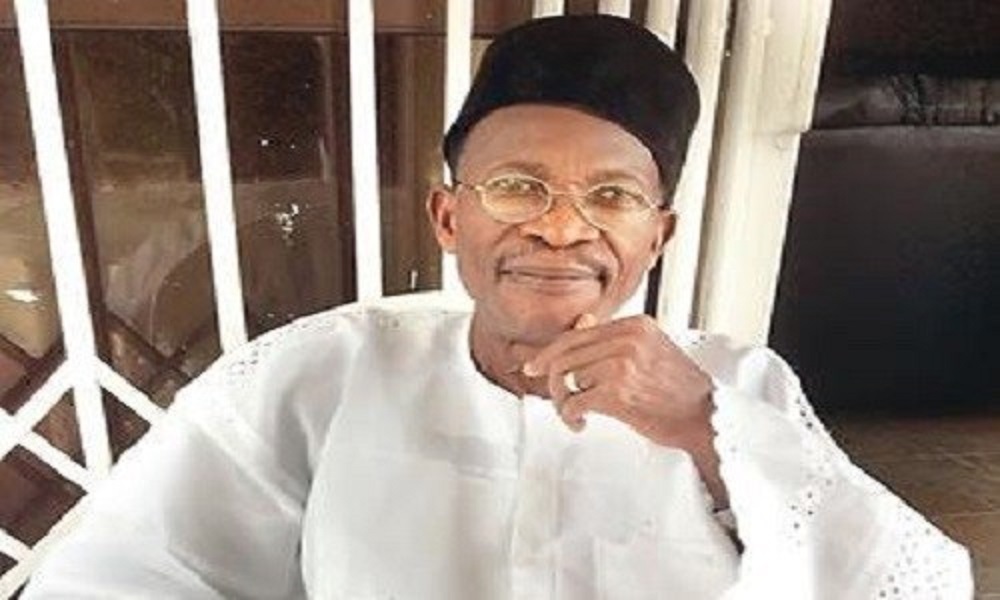





Former General Secretary of the Nigeria Union of Petroleum and Natural Gas Workers (NUPENG), Chief Frank Kokori, who has been on hospital bed over kidney-related ailment for the past month, has died at the age of 80 years.
It was gathered that Kokori passed away at a private hospital in Warri at about 1:30 am on Thursday, December 7, 2023, which is coincidentally his birthday.
Kokori’s Personal Assistant, Atawada Oke, disclosed the passage of the veteran labour leader to journalists early Thursday, saying that his health relapsed on Monday when he was unable to interact with people around him while he was placed on life support.
Kokori made a distress call from his hospital bed over his health status on Thursday, November 9, 2023, and lamented that he had been neglected and abandoned to die in spite of his huge contribution to the democratic growth of the country.
The development prompted dignitaries including Delta State Governor Sheriff Oborevwori; former Deputy President of the Senate, Senator Ovie Omo-Agege; officials of NUPENG among others to visit him at the hospital.
Kokori emerged as a pivotal figure in the struggle for the validation of the annulled June 12, 1993, presidential election won by the late Chief Moshood Kashimawo Abiola.
Former Military President, Gen Ibrahim Babangida, has annulled the results of the presidential election, causing outrage and protests across the country.
It is instructive to note that Kokori was involved in mobilising the masses against the annulment.
He also led NUPENG and the Petroleum and Natural Gas Senior Staff Association of Nigeria (PENGASSAN) in organising nationwide strikes that crippled the oil industry, the country’s economic lifeblood.
The strikes served as a powerful weapon against the military regime, putting significant pressure on Babangida to reverse his decision.
In addition to leading the oil workers’ strikes, Kokori was actively involved in pro-democracy activities.
He participated in various rallies and demonstrations, calling for the enthronement of democracy and the recognition of Abiola’s victory.
Kokori also played a crucial role in building alliances with other pro-democracy groups and individuals, fostering unity and a common front against the military regime.








, Chief Frank Kokori, who has been on hospital bed)