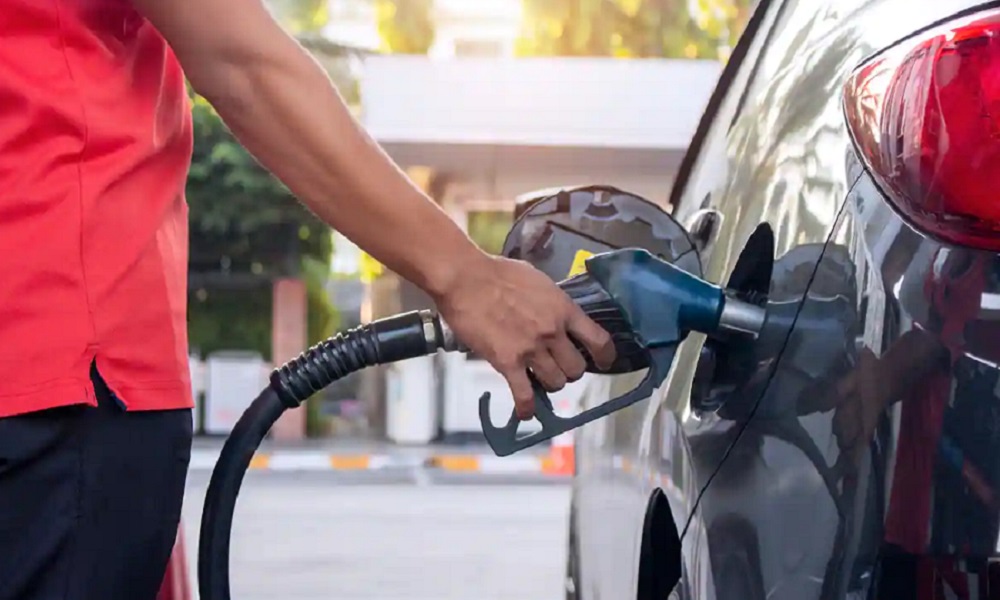





Petrol prices in Nigeria have begun to rise, following the escalation of conflict between Israel and Iran, with about 10 oil marketers adjusting depot prices upwards as global crude oil prices surged by 8.8 per cent, rising from \$68 to \$74 per barrel.
The upward adjustment, according to market sources, is driven by concerns over Iran’s threat to block the Strait of Hormuz — a vital oil shipping route responsible for over 20 per cent of global oil and gas shipments.
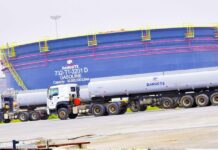
In Lagos and other major depots, oil companies including Aiteo, Pinnacle, Dangote, MENJ, Swift, Rainoil, Emadeb, First Royal, First Fortune and Ever have raised prices, prompting fears of a further spike in pump prices nationwide.
Among the price changes, Emadeb increased its price to ₦845 per litre from ₦827 — a 2.18% hike — while Ever implemented a marginal adjustment to ₦870 from ₦866. Pinnacle raised prices to ₦845 from ₦829, while Dangote Refinery now sells at ₦840 per litre, up from ₦830.
Others include: MENJ – ₦850 from ₦810, Swift – ₦845 from ₦830, Rainoil – ₦850 from ₦840, First Royal – ₦838 from ₦826, First Fortune – ₦860 from ₦850.
Industry tracker Petroleumprice.ng warned that depot prices may continue to rise in the coming weeks due to ongoing instability in the global oil market.
Experts have expressed mixed views on the implications for Nigeria.
Dr. Muda Yusuf, Director of the Centre for the Promotion of Private Enterprise, said the price surge will have a double-edged effect on the Nigerian economy.
“While higher crude oil prices may boost government revenue and forex earnings, it also means consumers will face higher prices for petrol, diesel, and transport,” Yusuf noted.
“The inflationary pressure is real. Businesses will face rising logistics and power generation costs, which could trigger a spike in prices of goods and services.”
He warned that Nigeria may experience “imported inflation,” further worsening cost-of-living conditions.
“Energy cost is central to inflation in Nigeria. If this crisis drags on, expect higher interest rates, weakened consumer demand, and tougher conditions for businesses — especially in non-oil sectors.”
Renowned petroleum economist, Professor Wumi Iledare, said the rise in crude prices could offer Nigeria a financial lifeline — but only if properly managed.
“Oil price spikes may ease fiscal pressure and support the naira. But without fiscal discipline and local refining capacity, the gains could be short-lived,” he warned.
Brent crude is currently trading at about \$74 per barrel, and analysts warn prices may exceed \$100 if hostilities worsen in the Middle East.
“Nigeria must urgently accelerate reforms in refining, subsidy management, and energy sector governance to make the most of this moment,” Prof. Iledare advised.
Despite the operations of the Dangote Refinery, Partner at Kreston Pedabo, Olufemi Idowu, said Nigerians should not expect relief at the pump.
“Dangote still buys crude at international prices, so its products will reflect global market realities. And with the sector deregulated, the federal government is unlikely to subsidise,” he said.
He acknowledged that while Nigeria’s budget benchmark of \$75 per barrel suggests possible revenue surplus, much of Nigeria’s crude is already committed to debt servicing and oil-for-loan deals.
“We’ve walked this path before — during the Ukraine-Russia war — and didn’t see significant benefits. Without changes in output and policy, the fiscal gains will be minimal.”
President of the Oil and Gas Services Providers Association of Nigeria (OGSPAN), Mazi Colman Obasi, noted that the crisis could be beneficial if Nigeria can meet production targets.
“With crude oil selling above \$75 and production estimated at over two million barrels per day, Nigeria could exceed its revenue projections for 2025,” he said.
But he and others warned that without resolving internal production and security challenges — particularly in the Niger Delta — the opportunity could slip away.