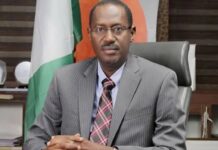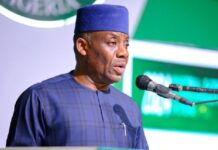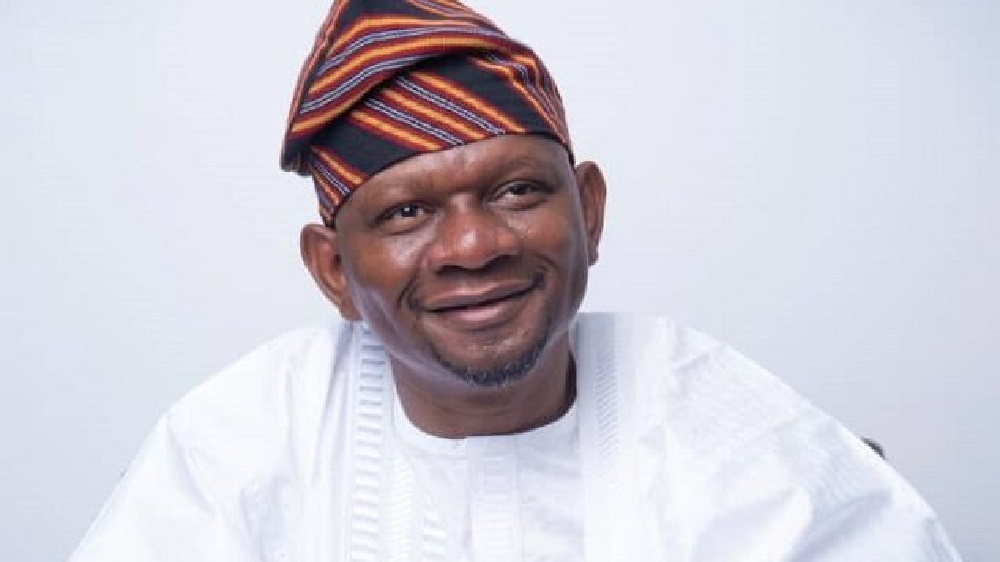





Nigeria has documented 7.4 million children and vaccinated 3.4 million with routine and supplementary immunisations, including 163,000 “zero-dose” children, the executive director and chief executive officer of the NPHCDA, Dr Myi Aina has said.
He spoke Tuesday at the quarterly media briefing organised by the agency in Abuja and stated that President Bola Tinubu released ₦68 billion to finance vaccine procurement to sustain routine immunisation.
He said 202,860 Nigerian children have so far received doses of the new malaria vaccine and the deployment of the vaccine follows Nigeria’s receipt of 846,000 doses of the R21 malaria vaccine from Gavi, the Vaccine Alliance, in October 2024.
While saying that the World Health Organization (WHO) approved two childhood malaria vaccines, RTS,S and the more effective R21/Matrix-M, which demonstrated 77 percent efficacy in early clinical trials, he added that Nigeria begun a pilot rollout of the R21 vaccine in Bayelsa and Kebbi states, where over 200,000 doses have already been administered to children most vulnerable to severe malaria.
He stated further that the figures were achieved under the agency’s “Identify, Enumerate and Vaccinate” strategy, which seeks to reach all children, including those who had never received any vaccine.
He said that first phase of the integrated campaign targeted 106 million Nigerians aged 0–14 years, combining routine immunisations with malaria prevention and treatment, HPV vaccines for adolescent girls, and interventions against neglected tropical diseases.
Hestated further that 39 million children have received oral polio vaccines (OPV) and over 59 million children have been vaccinated against measles and rubella, representing 92% of the target population. He added that 678,000 adolescent girls received the human papillomavirus (HPV) vaccine, and 950,000 people received malaria treatment and prevention.
Aina said NPHCDA is investing heavily in cold chain infrastructure and 1,642 health facilities now have solar-powered refrigerators, allowing vaccines to be stored safely and accessed by community health workers.
He said the agency has upgraded national storage hubs, including the main hub in Abuja and a rebuilt hub in Caddo , Kano, to ensure vaccines reach state stores and local facilities efficiently.
He stated that vaccination should be treated as an investment in public health and as expenditure, adding that the government’s goal is to ensure no child is left unvaccinated.